Environmental
Internships
Tailored, immersive and sustainability-focused internships
Program overview
A holistic understanding of the key conservation issues and current initiatives
This structured four-week internship, networking and learning program will give you a holistic understanding of the key conservation issues in the Indo-Pacific region, current initiatives and how you will be able to contribute during your career.
Choose your project stream to build networks and get real work experience in your field: Environmental Science, Policy and Advocacy, Business for Sustainability or Sustainable Tourism.
This program is based in Indonesia, a regional center with both unparalleled biodiversity and environmental challenges. Through your internship, along with presentations and interactions with a broad range of stakeholders including government, industry leaders, grass-roots NGOs, developers, primary producers and conservation organisations, you will gain a balanced and realistic understanding of the complex relationships between culture, economic development and environmental concerns.
We will work with you to help you Earn University Credit. You may also be eligible for funding, including a New Colombo Plan grant of $4,000 and an OS-HELP loan of up to $9,893.
The program next runs from either 15 June – 12 July or 22 June - 19 July 2025. Applications close on 4 April 2025.
Program details
Choose your project stream to build networks and get real work experience in your field
Day 1 - Day 24: North Sumatra
In North Sumatra you will undertake your internship, supported through regular catch ups with your manager and the International Internships team. Your internship will be based in North Sumatra’s capital, Medan, the lush rainforest and surrounds of Gunung Leuser National Park (GNLP), or a combination of the two. Regardless, you will spend time in and around GNLP getting acquainted with the wildlife and supporting local conservation efforts.

Orientation
Team Internship
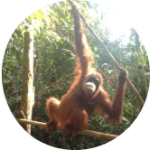
Jungle Trekking
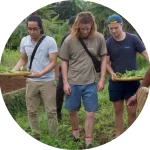
Volunteer

Become Immersed
Medan – Read more about the location & what we do there
Medan, the capital of North Sumatra, is one of Indonesia’s largest cities. It has a long history as a trading centre, is an important port and today serves as a centre for the palm oil industry and financial services sector in Indonesia. By visiting Medan, you will gain an understanding of the key drivers of change by hearing from high-level decision makers and researchers.
Our time will include:
Airport pickup
You will be met at the airport when you arrive in Medan, then taken to your hotel.
Orientation
We will show you around and give you all the info you need to help you be safe, mobile and happy while in Indonesia.
Language class
An Indonesian language class will give you the basics that you can build on throughout the program
University of North Sumatra (USU)
USU is the premier university in North Sumatra and a close partner in the development and delivery of this program.
We will visit the USU campus and hear from specialists about the complex interplay between industrial development and the environment, deforestation and the drivers of trade, providing you with a real depth of understanding of these issues.
Students from USU will likely join the team internships and other activities in North Sumatra, providing local insight and knowledge on key issues and helping you to discover the real Indonesia.
International & Local NGOs
Gain detailed perspectives on environmental sustainability and biodiversity challenges and goals in the region from globally recognised organisations, including the anti-palm oil movement.
Palm Oil Plantation
Visit a palm oil plantation near Medan to hear from producers and gain an understanding of how the industry works.
Gunung Leuser National Park – Read more about the location & what we do there
One of the most biodiverse areas in the world, Gunung Leuser National Park is home to key fauna including orangutans, tigers, elephants, rhinoceros and much more. During our visits you’ll be immersed in the dense, tropical environment and experience a range of unforgettable activities including work with local change-makers and on-the-ground experience of environmental conservation.
Undertake Conservation Activities with a Grassroots NGO
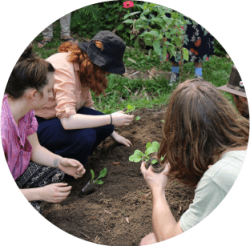
Get your hands dirty by doing conservation work to support the initiatives of a local grassroots NGO. This will most likely involve planting trees on the perimeter of the national park.
Trek with Orangutans
Trek through the national park to see orangutans in their natural habitat and immerse yourself in the unique biodiversity of Gunung Leuser National Park. Conditions permitting, you will also have the option to raft along a river bordering the national park.
Stay in a Local Village
We will be hosted by the home village of the founder of our local NGO partner. You will learn about life in the village and some of the challenges presented by development and tourism.

Day 25 - Day 28: Jakarta
In Jakarta, you will visit key players in environmental policy, innovation and conservation to understand the big picture around sustainability in Indonesia and the Indo-Pacific region. Jakarta has an amazing buzz and you'll have a great time exploring and discovering what it has to offer.

Visit Decision Makers

Explore
24/7 Support
Jakarta - Read more about the location and what we do there
It is impossible to get a thorough understanding of how things work in Indonesia without spending time in it’s bustling capital, Jakarta. Home to the ASEAN Secretariat and the heads of many international government, non-government and corporate offices, Jakarta is where key decisions are made and national strategy is formulated. We will hear from some of the organisations at the heart of this decision making, which helps provide context for the visits in North Sumatra.
Our time will include:
Cultural immersion
Visit some fantastic sites such as Istiqlal (Independence) Mosque and Indonesia’s Old City.
Organisational Visits
We will visit a wide range of organisations such as government departments (both Australian and Indonesian), international and local NGOs, think tanks and innovative organisations disrupting the status quo.
Networking Event
We will endeavour to include a networking event during your time in Jakarta, although please note that this does depend on what’s on.
Program streams
Choose your project stream to build networks and get real work experience in your field
Environmental Science
With its diverse ecosystems and pressing environmental challenges, Indonesia provides a unique environment for you to put your learnings into practice. You will contribute to the preservation of the country’s rich biodiversity while interacting with esteemed researchers and conservationists and gaining invaluable hands-on experience.
Where might you work?
Lorem Ipsum is simply dummy text of the printing and typesetting industry. Lorem Ipsum has been the industry’s standard dummy text ever since the 1500s, when an unknown printer took a galley of type and scrambled it to make a type specimen book.
Available Projects
Orangutan Information Centre | SMART Insights: Leveraging Knowledge Management for Conservation Impact
Project Stream: Environmental Science
Suitable for: Environmental Science, Sciences and related fields
Organisation Overview:
Yayasan Orangutan Sumatera Lestari – Orangutan Information Centre (YOSL-OIC) is a grassroots NGO based in Medan, North Sumatra. OIC works closely with local communities living alongside orangutan populated areas in both the Leuser Ecosystem and the Batang Toru Ecosystem. Initially established in 2001, solely as a dedicated information centre about orangutans, OIC has since expanded their scope, embarking on multiple initiatives aimed at forest protection, wildlife conservation, and the enhancement of community livelihoods through the introduction of sustainable agricultural practices.
Project Background:
The Orangutan Information Centre (OIC) plays a crucial role in wildlife conservation and forest protection through field monitoring, data collection, and strategic advocacy. The SMART Patrol team and Human-Orangutan Conflict Response Unit (HOCRU) gather extensive field data to track biodiversity, identify threats, and inform conservation strategies. However, for this data to effectively drive policy changes and interventions, it must be analyzed, contextualized, and communicated in impactful ways.
This internship provides an opportunity for students to engage in conservation research by working closely with OIC’s Knowledge Management team. Interns will analyze SMART Patrol and HOCRU data to identify trends in biodiversity, threats to ecosystems, and insights for improving patrol strategies. The ultimate goal is to produce compelling, data-driven advocacy materials that strengthen OIC’s mission and influence key stakeholders.
Project Objectives:
To enhance OIC’s conservation advocacy by analyzing and translating field data from the SMART Patrol and HOCRU teams into impactful insights that can inform patrol strategies, intervention programs, and public awareness campaigns.
Project Output:
The team’s responsibilities and roles encompass, but are not limited to, the following tasks in order to achieve the project outcomes:
- Data Analysis Report: In-depth analysis of biodiversity trends, key conservation threats, and recommendations for patrol improvements.
- Advocacy Materials: Infographics, reports, and other communication tools to effectively share conservation insights with stakeholders.
- Presentation of Findings: A final presentation to OIC staff summarizing key findings and recommendations for future conservation strategies.
Please note that this position description is subject to change. Further details on the project and its outcomes will be provided closer to the internship start date.
Orangutan Information Centre | Strengthening the Management of Trumon Grand Forest Park (Tahura Trumon)
Project Stream: Environmental Science / Policy and Advocacy
Suitable for: Environmental Science, Sciences, International Studies, Community Development, and related fields
Organisation Overview:
Yayasan Orangutan Sumatera Lestari – Orangutan Information Centre (YOSL-OIC) is a grassroots NGO based in Medan, North Sumatra. OIC works closely with local communities living alongside orangutan populated areas in both the Leuser Ecosystem and the Batang Toru Ecosystem. Initially established in 2001, solely as a dedicated information centre about orangutans, OIC has since expanded their scope, embarking on multiple initiatives aimed at forest protection, wildlife conservation, and the enhancement of community livelihoods through the introduction of sustainable agricultural practices.
Project Background:
The Trumon Grand Forest Park (Tahura Trumon) serves as a critical ecological corridor between two districts: Singkil, home to the densest population of Sumatran orangutans, and South Aceh, another key orangutan habitat. OIC successfully advocated for the change in status of this area, ensuring its protection and paving the way for future conservation efforts. However, while the park has been formally established and divided into several management blocks, the specific development plans and management strategies for each block have yet to be defined.
To maximize the park’s role as a biodiversity corridor and conservation hub, a well-structured management framework is essential. The park spans 1,865 hectares and connects Gunung Leuser National Park with Rawa Singkil Wildlife Reserve, both of which are globally recognized conservation areas. The park has been divided into seven management zones, including protection, utilization, traditional use, rehabilitation, religious/cultural, special, and collection blocks. However, the detailed planning and future development of each block remain open for strategic input. The Aceh Selatan government has emphasized that Tahura Trumon should not only enhance conservation efforts but also provide economic, educational, and ecotourism benefits for local communities.
Project Objectives:
To contribute to the development of a comprehensive management strategy for Trumon Grand Forest Park (Tahura Trumon) by conducting field observations, analyzing successful conservation models, and providing research-based recommendations for sustainable park management. The project will focus on defining specific strategies for each of the park’s seven management zones, ensuring its role as a critical wildlife corridor connecting Gunung Leuser National Park and Rawa Singkil Wildlife Reserve. Special attention will be given to identifying key biodiversity areas, integrating conservation efforts with local community development, and exploring sustainable approaches for balancing ecological protection, economic, educational, and ecotourism benefits. Through this approach, the project aims to create a well-structured framework for the park’s long-term success and sustainability.
Project Output:
The team’s responsibilities and roles encompass, but are not limited to, the following tasks in order to achieve the project outcomes:
- Field Observation Report: Assessment of the current state of the park, key conservation challenges, and stakeholder insights.
- Comparative Study Analysis: Case studies of successful conservation park management models in Indonesia and globally.
- Strategic Development Proposal: Recommendations for block-specific management strategies, integration of the park as a biodiversity corridor, and conservation-based development plans.
- Zoning & Land Use Recommendations: Proposed refinements to the current zoning strategy based on ecological and community needs.
- Final Presentation:Summary of findings and proposed recommendations presented to OIC and relevant stakeholders.
Please note that this position description is subject to change. Further details on the project and its outcomes will be provided closer to the internship start date.
Sustainable Green Sumatra Foundation | Ecosystem Rehabilitation – Vegetation Analysis in Community Agroforestry
Project Stream: Environmental Science
Suitable for: Environmental Science, Sciences and related fields
Organisation Overview:
Yayasan Sumatera Hijau Lestari (YSHL) is a non-profit organisation dedicated to the preservation and restoration of Sumatra’s unique ecosystems. Focusing on environmental conservation, sustainable development, and community empowerment, the organisation works closely with local communities, government bodies, and international partners to protect biodiversity, promote reforestation, and support sustainable livelihoods. By integrating conservation efforts with socio-economic initiatives, Yayasan Sumatera Hijau Lestari aims to foster long-term environmental sustainability while improving the quality of life for local communities.
Project Background:
Since 2019, YSHL has been dedicated to restoring degraded forest ecosystems in Bahorok through its tree planting program, having successfully planted 144,769 seedlings to date. These efforts employ an agroforestry system where food crops are cultivated alongside and beneath tree species. Additionally, isolation zones featuring thorny trees and shrubs are established to deter wildlife intrusion. Despite these initiatives, high tree mortality rates persist, posing challenges to both ecological restoration and community livelihoods.
Understanding the factors contributing to tree mortality—such as soil composition, species suitability, and environmental conditions—is crucial for improving agroforestry management strategies. This project aims to conduct a vegetation analysis, supported by soil testing at Universitas Sumatera Utara (USU), to generate actionable insights for enhancing tree survival rates and optimizing land use.
Project Objectives:
To analyze the factors affecting tree mortality in Bahorok’s community agroforestry system, including soil composition, plant species suitability, and environmental stressors, and to provide data-driven recommendations for improving agroforestry sustainability and tree survival rates.
Project Output:
The team’s responsibilities and roles include but not limited to these tasks to achieve project outcomes:
1- Vegetation & Mortality Analysis Report
- Assessment of tree mortality rates and growth performance.
- Analysis of species suitability based on soil and environmental conditions.
- Identification of biotic and abiotic stressors affecting tree health.
- Recommendations for improving agroforestry management.
2- Soil Analysis Report
- Results of soil composition testing, including pH, nutrient levels, and moisture content.
- Correlation of soil properties with tree health and mortality trends.
- Recommendations for soil improvement and species selection.
3- Field Data Collection & Mapping
- Dataset covering tree species, growth status, and environmental variables.
- Visual mapping of surveyed areas, highlighting affected zones.
4- Stakeholder Consultation Summary
- Interviews with farmers and agroforestry managers regarding land management practices.
- Insights into local perceptions of tree mortality causes and solutions.
5- Presentation of Findings
- Summary of key findings for Yayasan Sumatra Hijau Lestari and community stakeholders.
- Infographic or slide deck highlighting recommendations for agroforestry improvements.
Please note that this position description is subject to change. Further details on the project and its outcomes will be provided closer to the internship start date.
Yayasan PETAI | Evaluating the Effectiveness of Sekolah Lapang Programs on Livelihoods and Environmental Practices
Project Stream: Environmental Science
Suitable for: Environmental Science, Sciences and related fields
Organisation Overview:
Yayasan PETAI (Pesona Tropis Alam Indonesia) is a non-profit organisation dedicated to the conservation of Indonesia’s rich tropical biodiversity and the promotion of sustainable practices within local communities. Established with the vision of fostering harmony between nature and human activities, Yayasan PETAI engages in various programs focused on environmental education, sustainable agriculture, and community empowerment. By collaborating with local stakeholders, government agencies, and international partners, the foundation aims to develop innovative solutions that address pressing environmental challenges while enhancing the livelihoods of communities. Through its initiatives, Yayasan PETAI strives to protect Indonesia’s unique ecosystems and promote a culture of environmental stewardship among current and future generations.
Project Background:
Yayasan PETAI implements Sekolah Lapang (Field School) programs as a key strategy for community empowerment and sustainable agriculture. Sekolah Lapang is a participatory, farmer-led learning approach that focuses on practical, hands-on training and knowledge sharing related to improved agricultural practices, environmental conservation, and community development. These programs often cover topics such as integrated pest management, organic farming techniques (including the transition from chemical to organic fertilizers using animal manure), soil health management, and sustainable resource utilization. Understanding the effectiveness and impact of Sekolah Lapang is crucial for program improvement and scaling.
Project Objectives:
This qualitative research project aims to understand the impact and effectiveness of Sekolah Lapang (Field School) programs on participating communities. It will explore how the program has influenced community livelihoods and overall welfare, examining changes in agricultural practices, environmental stewardship, and community behavior.
Project Output:
The team’s responsibilities and roles include but not limited to these tasks to achieve project outcomes:
- Interview/Discussion records: Records of conducted interviews or discussions with community members, program facilitators, and other relevant stakeholders.
- Observation notes: Detailed notes from field visits, including observations of demonstration plots, community activities, and interactions.
- Thematic analysis report: A comprehensive report analyzing the interview/discussion records and observation notes, identifying key themes and patterns related to the impact of Sekolah Lapang.
- Case studies: Development of illustrative case studies showcasing specific examples of program impact, including stories of individual farmers and communities.
- Recommendations report: A report outlining recommendations for improving the Sekolah Lapang program based on the research findings.
Please note that this position description is subject to change. Further details on the project and its outcomes will be provided closer to the internship start date.
Yayasan PETAI | Evaluation of SMART Patrol Program
Project Stream: Environmental Science
Suitable for: Environmental Science, Sciences and related fields
Organisation Overview:
Yayasan PETAI (Pesona Tropis Alam Indonesia) is a non-profit organisation dedicated to the conservation of Indonesia’s rich tropical biodiversity and the promotion of sustainable practices within local communities. Established with the vision of fostering harmony between nature and human activities, Yayasan PETAI engages in various programs focused on environmental education, sustainable agriculture, and community empowerment. By collaborating with local stakeholders, government agencies, and international partners, the foundation aims to develop innovative solutions that address pressing environmental challenges while enhancing the livelihoods of communities. Through its initiatives, Yayasan PETAI strives to protect Indonesia’s unique ecosystems and promote a culture of environmental stewardship among current and future generations.
Project Background:
Yayasan PETAI is dedicated to environmental conservation and community empowerment, with a strong focus on protecting natural resources. A key initiative in their conservation efforts is the Smart Patrol program, implemented in collaboration with the Ministry of Environment and Forestry (KLHK) through its local Forest Management Unit (KPH). This program utilizes technology, often involving mobile applications and GPS tracking, to enhance forest monitoring and law enforcement against illegal logging, poaching, and other threats to biodiversity. Smart Patrol aims to empower local communities to actively participate in conservation efforts and improve the effectiveness of patrols.
A comprehensive and independent evaluation of the Yayasan PETAI Smart Patrol program, implemented in partnership with the KLHK-KPH, is needed to address the current lack of documented evidence regarding its effectiveness in reducing illegal activities, engaging communities, and protecting biodiversity, which hinders adaptive management and strategic planning for the program’s future.
Project Objectives:
This evaluation project will assess the effectiveness and impact of the Yayasan PETAI Smart Patrol program (in partnership with KLHK-KPH) by examining its success in reducing illegal activities, engaging communities, and protecting biodiversity. It will also identify implementation challenges and opportunities, including the effectiveness of the Yayasan PETAI-KLHK-KPH collaboration, to inform adaptive management and ensure program sustainability.
Project Output:
The team’s responsibilities and roles include but not limited to these tasks to achieve project outcomes:
- Literature review: A review of existing literature on community-based conservation, technology use in conservation, similar patrol programs, and collaborative management of natural resources.
- Data collection plan: A detailed plan outlining the methodology for data collection, including interview guides, survey questionnaires, and data analysis strategies. This will specifically address gathering data on the effectiveness of the collaboration between Yayasan PETAI and KLHK-KPH.
- Field visit reports: Detailed reports documenting observations from field visits to patrol areas, including interactions with patrol teams, community members, and representatives from both Yayasan PETAI and the KLHK-KPH.
- Quantitative data analysis: Analysis of patrol data (e.g., frequency of patrols, area covered, reported incidents) to assess program effectiveness.
- Qualitative data analysis: Analysis of interview and survey data to understand community perspectives, program impact, and the dynamics of the Yayasan PETAI – KLHK-KPH collaboration.
- Evaluation report: A comprehensive report summarizing the findings of the evaluation, including recommendations for program improvement, strengthening the Yayasan PETAI – KLHK-KPH partnership, and future directions.
Interns are encouraged to have prior knowledge of the SMART application or GPS usage before starting their internship.
Please note that this position description is subject to change. Further details on the project and its outcomes will be provided closer to the internship start date.
Environmental Law
Laws governing environmental projects or impacts in Indonesia interact with a range of regulations and legal frameworks. This can make it particularly challenging to navigate. This program will provide you with hands-on experience and networks to continue your journey in international environmental law, local action or legal reform.
Where might you work?
Lorem Ipsum is simply dummy text of the printing and typesetting industry. Lorem Ipsum has been the industry’s standard dummy text ever since the 1500s, when an unknown printer took a galley of type and scrambled it to make a type specimen book.
Available Projects
Laws and Policies to Preserve Tapanuli Orangutan
Lorem Ipsum is simply dummy text of the printing and typesetting industry. Lorem Ipsum has been the industry’s standard dummy text ever since the 1500s, when an unknown printer took a galley of type and scrambled it to make a type specimen book.
Project 1
Lorem Ipsum is simply dummy text of the printing and typesetting industry. Lorem Ipsum has been the industry’s standard dummy text ever since the 1500s, when an unknown printer took a galley of type and scrambled it to make a type specimen book.
Business for Sustainability
The ‘Business for Sustainability’ stream provides an opportunity for people wanting to use their business skills to restore the natural environment, instead of destroying it. Environmental NGOs often have a great need for staff with skills in ‘business’ functions such as budgeting, planning, economic analysis and marketing. However, it is a sector often overlooked by business graduates, which is something that we want to change.
Where might you work?
Lorem Ipsum is simply dummy text of the printing and typesetting industry. Lorem Ipsum has been the industry’s standard dummy text ever since the 1500s, when an unknown printer took a galley of type and scrambled it to make a type specimen book.
Available Projects
Yayasan Ekosistem Lestari (YEL) | Enhancing Livelihoods through Sustainable Value-Added Product Development in Bukit Mas
Project Stream:Business for Sustainability
Suitable for: Business, and related disciplines.
Organisation Overview:
Yayasan Ekosistem Lestari (YEL) is a dedicated conservation organization working to protect the Leuser Ecosystem, a vital rainforest in Sumatra and a UNESCO World Heritage Site. YEL’s work centers around safeguarding the critically endangered Sumatran orangutan and its habitat, but their mission extends to the well-being of the communities who call this region home. Through their integrated programs, YEL strives to balance biodiversity preservation with sustainable development, recognizing that the long-term health of the ecosystem depends on the prosperity of its people.
YEL’s community development initiatives focus on empowering local residents through sustainable livelihood programs. These include training in environmentally friendly agricultural practices, fostering community-based ecotourism ventures, and building local capacity for resource management. By providing alternative income streams and promoting sustainable resource use, YEL enables communities to become active stewards of the Leuser Ecosystem, ensuring both environmental protection and improved quality of life for generations to come.
Project Background:
Recent Community Livelihood Potential Appraisal Scanning (CLAPS) conducted in villages around the Bukit Mas area identified key agricultural potentials, including sustainable farming using manure, honey production from Lebah madu (honey bees), and cacao cultivation. Currently, these communities primarily sell their products in raw forms, limiting their income potential. This project aims to explore and propose innovative strategies to transform these raw commodities into higher-value products, thereby enhancing community livelihoods.
Project Objectives:
To develop comprehensive strategies for adding value to locally produced commodities such as honey and cacao, including product development ideas, applicable techniques and technologies available in Indonesia, and a simple, actionable business plan for local entrepreneurs. This includes conducting research into other best practices through case studies to support the proposed strategies.
Project Output:
The team’s responsibilities and roles encompass, but are not limited to, the following tasks in order to achieve these project outcomes:
1- Value-Added Product Proposals:
- Detailed suggestions for transforming commodities such as honey, and cacao into marketable products.
- Examples include compost or organic fertilizers from manure, propolis or beeswax products from honey production, and chocolate or cocoa-based products from cacao.
2- Comprehensive Strategy Report:
- A research-driven framework for adding value to locally produced commodities, integrating best practices, case studies, and practical recommendations to ensure long-term sustainability and economic viability for local entrepreneurs.
3- Technical Specifications and Cost Analysis:
- Identification of applicable techniques and technologies for product transformation.
- Specifications, pricing, and estimated costs of necessary equipment and processes, ensuring resources are accessible within Indonesia.
4- Business Plan Development:
- A straightforward, practical business plan tailored for local entrepreneurs.
- Components include market analysis, marketing strategies, operational plans, and financial projections.
Please note that this position description is subject to change. Further details on the project and its outcomes will be provided closer to the internship start date.
Yayasan PETAI | From Forest to Market: Developing a Comprehensive Marketing and Distribution Strategy for local farmer groups (KUPS)’s Agroforestry Products through Ecotourism Integration
Project Stream: Business for Sustainability / Sustainable Tourism
Suitable for: Tourism, Business, and related disciplines.
Organisation Overview:
Yayasan PETAI (Pesona Tropis Alam Indonesia) is a non-profit organisation dedicated to the conservation of Indonesia’s rich tropical biodiversity and the promotion of sustainable practices within local communities. Established with the vision of fostering harmony between nature and human activities, Yayasan PETAI engages in various programs focused on environmental education, sustainable agriculture, and community empowerment. By collaborating with local stakeholders, government agencies, and international partners, the foundation aims to develop innovative solutions that address pressing environmental challenges while enhancing the livelihoods of communities. Through its initiatives, Yayasan PETAI strives to protect Indonesia’s unique ecosystems and promote a culture of environmental stewardship among current and future generations.
Project Background:
Yayasan PETAI is a non-governmental organization in North Sumatra, Indonesia, dedicated to environmental conservation and community empowerment. Their programs focus on sustainable forest management, biodiversity conservation, and improving the livelihoods of local communities. A key area of their work is promoting social agroforestry, an approach that integrates trees and shrubs into agricultural systems. This practice offers multiple benefits, including ecological restoration, increased biodiversity, and enhanced economic opportunities for communities.
PETAI works closely with local farmer groups, known as KUPS (Kelompok Usaha Perhutanan Sosial), to implement agroforestry initiatives. These groups play a crucial role in managing and benefiting from the agroforestry systems. By combining their expertise in conservation with community participation, PETAI aims to create sustainable and equitable development models.
Project Objectives:
This project aims to empower the social forestry farmer groups/KUPS (Kelompok Usaha Perhutanan Sosial) by developing a comprehensive strategy that integrates their existing social agroforestry practices with ecotourism initiatives. This involves assessing the current state of their agroforestry system, creating detailed customer profiles for potential ecotourists, developing a targeted marketing plan to promote both agroforestry products and ecotourism offerings, and designing effective distribution channels to reach new markets. Ultimately, the project seeks to enhance the KUPS’s economic opportunities and promote sustainable livelihoods through a holistic approach that leverages the synergies between social agroforestry, ecotourism, and strategic market access.
Project Output:
The team’s responsibilities and roles include but not limited to these tasks to achieve project outcomes:
- Detailed assessment report: A comprehensive report on the current state of the KUPS’s agroforestry practices, including strengths, weaknesses, opportunities, and threats.
- Customer profile document: A detailed description of the target audience for ecotourism activities, including their demographics, interests, and travel behavior. ● Case Study: Conduct literature review on similar case studies from other organizations or successful examples of KUPS that have integrated ecotourism and product marketing, as this can provide valuable context for their internship.
- Marketing plan: A comprehensive marketing plan that includes branding, messaging, promotional activities, and budget considerations.
- Distribution strategy: A plan for distributing the KUPS’s agroforestry products, including potential marketplaces, logistics, and pricing strategies.
- Ecotourism strategy: A detailed plan for integrating ecotourism into the KUPS’s agroforestry system, including potential activities, infrastructure requirements, and visitor management strategies.
Please note that this position description is subject to change. Further details on the project and its outcomes will be provided closer to the internship start date.
Policy & Advocacy
As the host of the ASEAN Secretariat, Indonesia plays a pivotal role in advancing regional environmental sustainability. Australia and Indonesia have jointly committed to working together to reduce emissions, which is a key feature of the Indonesia-Australia Comprehensive Economic Partnership Agreement (IA-CEPA). IA-CEPA and similar initiatives open the door for better ways of doing things. This program has been designed to include a wide variety of stakeholders and present you with the full picture so that you are equipped to make a real impact.
Where might you work?
Lorem Ipsum is simply dummy text of the printing and typesetting industry. Lorem Ipsum has been the industry’s standard dummy text ever since the 1500s, when an unknown printer took a galley of type and scrambled it to make a type specimen book.
Available Projects
Orangutan Information Centre | Strengthening the Management of Trumon Grand Forest Park (Tahura Trumon)
Project Stream: Environmental Science / Policy and Advocacy
Suitable for: Environmental Science, Sciences, International Studies, Community Development, and related fields
Organisation Overview:
Yayasan Orangutan Sumatera Lestari – Orangutan Information Centre (YOSL-OIC) is a grassroots NGO based in Medan, North Sumatra. OIC works closely with local communities living alongside orangutan populated areas in both the Leuser Ecosystem and the Batang Toru Ecosystem. Initially established in 2001, solely as a dedicated information centre about orangutans, OIC has since expanded their scope, embarking on multiple initiatives aimed at forest protection, wildlife conservation, and the enhancement of community livelihoods through the introduction of sustainable agricultural practices.
Project Background:
The Trumon Grand Forest Park (Tahura Trumon) serves as a critical ecological corridor between two districts: Singkil, home to the densest population of Sumatran orangutans, and South Aceh, another key orangutan habitat. OIC successfully advocated for the change in status of this area, ensuring its protection and paving the way for future conservation efforts. However, while the park has been formally established and divided into several management blocks, the specific development plans and management strategies for each block have yet to be defined.
To maximize the park’s role as a biodiversity corridor and conservation hub, a well-structured management framework is essential. The park spans 1,865 hectares and connects Gunung Leuser National Park with Rawa Singkil Wildlife Reserve, both of which are globally recognized conservation areas. The park has been divided into seven management zones, including protection, utilization, traditional use, rehabilitation, religious/cultural, special, and collection blocks. However, the detailed planning and future development of each block remain open for strategic input. The Aceh Selatan government has emphasized that Tahura Trumon should not only enhance conservation efforts but also provide economic, educational, and ecotourism benefits for local communities.
Project Objectives:
To contribute to the development of a comprehensive management strategy for Trumon Grand Forest Park (Tahura Trumon) by conducting field observations, analyzing successful conservation models, and providing research-based recommendations for sustainable park management. The project will focus on defining specific strategies for each of the park’s seven management zones, ensuring its role as a critical wildlife corridor connecting Gunung Leuser National Park and Rawa Singkil Wildlife Reserve. Special attention will be given to identifying key biodiversity areas, integrating conservation efforts with local community development, and exploring sustainable approaches for balancing ecological protection, economic, educational, and ecotourism benefits. Through this approach, the project aims to create a well-structured framework for the park’s long-term success and sustainability.
Project Output:
The team’s responsibilities and roles encompass, but are not limited to, the following tasks in order to achieve the project outcomes:
- Field Observation Report: Assessment of the current state of the park, key conservation challenges, and stakeholder insights.
- Comparative Study Analysis: Case studies of successful conservation park management models in Indonesia and globally.
- Strategic Development Proposal: Recommendations for block-specific management strategies, integration of the park as a biodiversity corridor, and conservation-based development plans.
- Zoning & Land Use Recommendations: Proposed refinements to the current zoning strategy based on ecological and community needs.
- Final Presentation:Summary of findings and proposed recommendations presented to OIC and relevant stakeholders.
Please note that this position description is subject to change. Further details on the project and its outcomes will be provided closer to the internship start date.
Yayasan PETAI | Evaluating the Effectiveness of Sekolah Lapang Programs on Livelihoods and Environmental Practices
Project Stream: Environmental Science
Suitable for: Environmental Science, Sciences and related fields
Organisation Overview:
Yayasan PETAI (Pesona Tropis Alam Indonesia) is a non-profit organisation dedicated to the conservation of Indonesia’s rich tropical biodiversity and the promotion of sustainable practices within local communities. Established with the vision of fostering harmony between nature and human activities, Yayasan PETAI engages in various programs focused on environmental education, sustainable agriculture, and community empowerment. By collaborating with local stakeholders, government agencies, and international partners, the foundation aims to develop innovative solutions that address pressing environmental challenges while enhancing the livelihoods of communities. Through its initiatives, Yayasan PETAI strives to protect Indonesia’s unique ecosystems and promote a culture of environmental stewardship among current and future generations.
Project Background:
Yayasan PETAI implements Sekolah Lapang (Field School) programs as a key strategy for community empowerment and sustainable agriculture. Sekolah Lapang is a participatory, farmer-led learning approach that focuses on practical, hands-on training and knowledge sharing related to improved agricultural practices, environmental conservation, and community development. These programs often cover topics such as integrated pest management, organic farming techniques (including the transition from chemical to organic fertilizers using animal manure), soil health management, and sustainable resource utilization. Understanding the effectiveness and impact of Sekolah Lapang is crucial for program improvement and scaling.
Project Objectives:
This qualitative research project aims to understand the impact and effectiveness of Sekolah Lapang (Field School) programs on participating communities. It will explore how the program has influenced community livelihoods and overall welfare, examining changes in agricultural practices, environmental stewardship, and community behavior.
Project Output:
The team’s responsibilities and roles include but not limited to these tasks to achieve project outcomes:
- Interview/Discussion records: Records of conducted interviews or discussions with community members, program facilitators, and other relevant stakeholders.
- Observation notes: Detailed notes from field visits, including observations of demonstration plots, community activities, and interactions.
- Thematic analysis report: A comprehensive report analyzing the interview/discussion records and observation notes, identifying key themes and patterns related to the impact of Sekolah Lapang.
- Case studies: Development of illustrative case studies showcasing specific examples of program impact, including stories of individual farmers and communities.
- Recommendations report: A report outlining recommendations for improving the Sekolah Lapang program based on the research findings.
Please note that this position description is subject to change. Further details on the project and its outcomes will be provided closer to the internship start date.
Sustainable Tourism
North Sumatra’s beauty and exceptional biodiversity make it a popular tourist attraction for visitors across the world. This provides a valuable alternative to palm oil and other development, but can also negatively impact the environment and local communities.
Through this program, you will contribute to the promotion of ecotourism, including fostering an equitable approach to tourism that benefits both the destinations and the travelers.
Where might you work?
Lorem Ipsum is simply dummy text of the printing and typesetting industry. Lorem Ipsum has been the industry’s standard dummy text ever since the 1500s, when an unknown printer took a galley of type and scrambled it to make a type specimen book.
Available Projects
Yayasan PETAI | From Forest to Market: Developing a Comprehensive Marketing and Distribution Strategy for local farmer groups (KUPS)’s Agroforestry Products through Ecotourism Integration
Project Stream: Business for Sustainability / Sustainable Tourism
Suitable for: Tourism, Business, and related disciplines.
Organisation Overview:
Yayasan PETAI (Pesona Tropis Alam Indonesia) is a non-profit organisation dedicated to the conservation of Indonesia’s rich tropical biodiversity and the promotion of sustainable practices within local communities. Established with the vision of fostering harmony between nature and human activities, Yayasan PETAI engages in various programs focused on environmental education, sustainable agriculture, and community empowerment. By collaborating with local stakeholders, government agencies, and international partners, the foundation aims to develop innovative solutions that address pressing environmental challenges while enhancing the livelihoods of communities. Through its initiatives, Yayasan PETAI strives to protect Indonesia’s unique ecosystems and promote a culture of environmental stewardship among current and future generations.
Project Background:
Yayasan PETAI is a non-governmental organization in North Sumatra, Indonesia, dedicated to environmental conservation and community empowerment. Their programs focus on sustainable forest management, biodiversity conservation, and improving the livelihoods of local communities. A key area of their work is promoting social agroforestry, an approach that integrates trees and shrubs into agricultural systems. This practice offers multiple benefits, including ecological restoration, increased biodiversity, and enhanced economic opportunities for communities.
PETAI works closely with local farmer groups, known as KUPS (Kelompok Usaha Perhutanan Sosial), to implement agroforestry initiatives. These groups play a crucial role in managing and benefiting from the agroforestry systems. By combining their expertise in conservation with community participation, PETAI aims to create sustainable and equitable development models.
Project Objectives:
This project aims to empower the social forestry farmer groups/KUPS (Kelompok Usaha Perhutanan Sosial) by developing a comprehensive strategy that integrates their existing social agroforestry practices with ecotourism initiatives. This involves assessing the current state of their agroforestry system, creating detailed customer profiles for potential ecotourists, developing a targeted marketing plan to promote both agroforestry products and ecotourism offerings, and designing effective distribution channels to reach new markets. Ultimately, the project seeks to enhance the KUPS’s economic opportunities and promote sustainable livelihoods through a holistic approach that leverages the synergies between social agroforestry, ecotourism, and strategic market access.
Project Output:
The team’s responsibilities and roles include but not limited to these tasks to achieve project outcomes:
- Detailed assessment report: A comprehensive report on the current state of the KUPS’s agroforestry practices, including strengths, weaknesses, opportunities, and threats.
- Customer profile document: A detailed description of the target audience for ecotourism activities, including their demographics, interests, and travel behavior. ● Case Study: Conduct literature review on similar case studies from other organizations or successful examples of KUPS that have integrated ecotourism and product marketing, as this can provide valuable context for their internship.
- Marketing plan: A comprehensive marketing plan that includes branding, messaging, promotional activities, and budget considerations.
- Distribution strategy: A plan for distributing the KUPS’s agroforestry products, including potential marketplaces, logistics, and pricing strategies.
- Ecotourism strategy: A detailed plan for integrating ecotourism into the KUPS’s agroforestry system, including potential activities, infrastructure requirements, and visitor management strategies.
Please note that this position description is subject to change. Further details on the project and its outcomes will be provided closer to the internship start date.
Yayasan Ekosistem Lestari | Bridging Conservation & Tourism: Strengthening Guiding Skills at Orangutan Haven
Project Stream: Sustainable Tourism
Suitable for: Tourism, Business, and related disciplines.
Organisation Overview:
Yayasan Ekosistem Lestari (YEL) is a dedicated conservation organization working to protect the Leuser Ecosystem, a vital rainforest in Sumatra and a UNESCO World Heritage Site. YEL’s work centers around safeguarding the critically endangered Sumatran orangutan and its habitat, but their mission extends to the well-being of the communities who call this region home. Through their integrated programs, YEL strives to balance biodiversity preservation with sustainable development, recognizing that the long-term health of the ecosystem depends on the prosperity of its people.
YEL’s community development initiatives focus on empowering local residents through sustainable livelihood programs. These include training in environmentally friendly agricultural practices, fostering community-based ecotourism ventures, and building local capacity for resource management. By providing alternative income streams and promoting sustainable resource use, YEL enables communities to become active stewards of the Leuser Ecosystem, ensuring both environmental protection and improved quality of life for generations to come.
Project Background:
Orangutan Haven relies on local tour guides to deliver educational and meaningful experiences to visitors. However, many of these guides have little to no background in hospitality or professional guiding techniques. Currently, there is no structured quality assurance framework to ensure consistency and effectiveness in guiding practices. To enhance visitor engagement and education, this internship project will focus on evaluating current guiding practices, conducting benchmark studies, and developing capacity-building strategies for local guides.
This project will allow the team to work closely with YEL to identify areas for improvement, research industry best practices, and propose training programs that empower local guides to deliver high-quality, informative, and engaging tours.
Project Objectives:
The objective of this project is to enhance the quality of visitor experiences at Orangutan Haven by evaluating current guiding practices, conducting benchmark studies, and developing capacity-building strategies for local tour guides. This internship project will work closely with YEL to identify areas for improvement in guiding techniques, research industry best practices, and create training programs aimed at empowering local guides. The goal is to establish a structured quality assurance framework that ensures consistency and effectiveness in guiding, enabling local guides to deliver high-quality, informative, and engaging tours that enhance visitor education and overall engagement.
Project Output:
The team’s responsibilities and roles encompass, but are not limited to, the following tasks in order to achieve the project outcomes:
- Guiding Practices Evaluation Report: A comprehensive assessment of current guiding techniques and visitor experience quality.
- Benchmark & Comparative Study Report: Analysis of successful guiding practices in similar conservation and eco-tourism sites.
- Capacity-Building Strategy: A structured training program proposal to enhance the skills and knowledge of local guides.
- Quality Assurance Framework: Recommendations for maintaining consistent and high-quality visitor experiences.
- Final Presentation: A structured presentation of findings and recommendations to Orangutan Haven’s management.
Please note that this project is yet to be confirmed by the host. If it is of interest then we encourage you to book a consultation to discuss it with our team, then we will keep you updated.
Dates & fees
Winter 2025
| Intake 1 - Sumatra | Intake 2 - Lombok | Intake 3 - Lombok | |
|---|---|---|---|
| Arrive in Indonesia | 13 June 2026 | 27 June 2026 | 21 November 2026 |
| Depart Indonesia | 11 July 2026 | 25 July 2026 | 19 December 2026 |
| Duration | 4 weeks | 4 Weeks | 4 Weeks |
| Apps Close | 6 April 2026 | 6 April 2026 | 28 August 2026 |
| Program Fee | $4,400 | $4,400 | $4,400 |
| NCP funding* | Up to $4,000 | Up to $4,000 | Up to $4,000 |
Summer 25/26
| Key Dates | |
|---|---|
| Arrive in Indonesia | 10 January 2026 |
| Depart Indonesia | 8 February 2026 |
| Duration | 4 Weeks |
| Apps Close | 26 October 2025 |
| Program Fee | $3,600 |
| NCP funding* | Up to $4,000 |
Inclusions & Exclusions
Inclusions
- Internship placement with a host organisation
- Comfortable private room accommodation in a shared apartment
- Airport transfers on nominated arrival and departure dates
- Immersive orientation including language and culture training sessions
- Explore the surrounding areas through an organised weekend trip
- Professional seminars
- Career development workshop
- Pre-departure support, including visa advice and sponsorship where required
- 24/7 in-country support
Exclusions
- Unit fees for your university unit
- Flights and Visas
- Internet
- Home working set-up
- Meals and drinks
- Daily transport
- Passport fess
- Vaccination (if required)
- Travel insurance
- Excess baggage charges
- Airport taxes
- Laundry
- Extra activities and trips or any other personal items and travel
Dates & fees
Winter 2025
| Intake 1 - Sumatra | Intake 2 - Lombok | Intake 3 - Lombok | |
|---|---|---|---|
| Arrive in Indonesia | 13 June 2026 | 27 June 2026 | 21 November 2026 |
| Depart Indonesia | 11 July 2026 | 25 July 2026 | 19 December 2026 |
| Duration | 4 weeks | 4 Weeks | 4 Weeks |
| Apps Close | 6 April 2026 | 6 April 2026 | 28 August 2026 |
| Program Fee | $4,400 | $4,400 | $4,400 |
| NCP funding* | Up to $4,000 | Up to $4,000 | Up to $4,000 |
Inclusions & exclusions
Inclusions
- Industry project placement and support
- Accommodation in a mixture of private accommodation in shared apartment or co-living arrangement and twinshare (same gender) accommodation at a hotel
- Pre-departure support, including visa advice and sponsorship where required
- Administrative support, including academic credit approval (if applicable)
- Airport transfers on nominated arrival and departure dates
- Immersive orientation program
- Intercultural communication workshop
- Indonesian language class
- Industry visits
- Career development workshop
- Explore the surrounding areas through an organised weekend trip
- Cultural and social events with Indonesian buddies
- 24/7 in-country support
- Weekly check-ins
- International internships completion certificate
- Connection with Indonesian students from local universities
Exclusions
- Internet, phone and home working set-up
- Flight costs, airport taxes and associated costs
- Visa costs and passport fees
- Travel insurance
- Meals and drinks
- Enrolment fees for any subjects at your university
- Host-specific requirements (ie. uniform, safety equipment)
- Vaccinations (if required)
- Laundry, toiletries and amenities
- Extra activities and travel, or any other items of a personal nature
- Daily transportation costs
Why Indonesia?
Opportunities abound with this key partner and centre for regional strategy and economic development
Indonesia has the largest economy in Southeast Asia, and is predicted to be the world’s fifth-largest economy by 2030. It also has some of the world's most biodiverse forests and marine ecosystems and stores an enormous amount of carbon through its forests and mangroves, making it of huge importance to the global effort to mitigate climate change.
Through the Indonesia-Australia Comprehensive Economic Partnership Agreement (IA-CEPA), Australia and Indonesia's close collaboration extends to environmental governance, creating a real need for graduates with a working knowledge of the two cultures and a passion for environmental sustainability.
Click here to learn more about the opportunities Indonesia has to offer you.

Course credit
We support you to earn credit for your course
It is likely that you will be able to earn academic credit from your university by completing this program.
We have a list of approved credit units from several of our partner universities, so please just get in touch with us to discuss your situation. Alternatively, you can contact a course adviser from your university and they may be able to help. We will support you to get any forms signed by your host, but please note that it is up to you to ensure that you are eligible and to manage your enrolment.
Both domestic and international students are eligible to apply for this program, although you must be an Australian citizen to be eligible to receive NCP funding, as detailed below.
Drop Down
Lorem Ipsum is simply dummy text of the printing and typesetting industry. Lorem Ipsum has been the industry’s standard dummy text ever since the 1500s, when an unknown printer took a galley of type and scrambled it to make a type specimen book.
Drop Down
Lorem Ipsum is simply dummy text of the printing and typesetting industry. Lorem Ipsum has been the industry’s standard dummy text ever since the 1500s, when an unknown printer took a galley of type and scrambled it to make a type specimen book.
Drop Down
Lorem Ipsum is simply dummy text of the printing and typesetting industry. Lorem Ipsum has been the industry’s standard dummy text ever since the 1500s, when an unknown printer took a galley of type and scrambled it to make a type specimen book.
Drop Down
Lorem Ipsum is simply dummy text of the printing and typesetting industry. Lorem Ipsum has been the industry’s standard dummy text ever since the 1500s, when an unknown printer took a galley of type and scrambled it to make a type specimen book.
Drop Down
Lorem Ipsum is simply dummy text of the printing and typesetting industry. Lorem Ipsum has been the industry’s standard dummy text ever since the 1500s, when an unknown printer took a galley of type and scrambled it to make a type specimen book.
Grants & funding
NCP grants of $4,000 are available for this program
New Colombo Plan (NCP)
You are likely to be eligible for an NCP grant if:
- You are an Australian citizen
- You are an undergraduate student
- This experience will count toward your uni degree
- You have received no more than one NCP grant previously (no more than two in total)
A limited number of grants are available to students at: Curtin; Deakin; Uni of Newcastle; RMIT; UniSA; and UTS.
These $4,000 grants make the effective program fee just $400. And the best part is that because they are grants, not loans, you don’t need to pay them back!
Connect with your International Office to confirm your eligibility or discuss it with our team during your initial consultation and we will point you in the right direction. Note that you will be advised whether or not you have been allocated a grant before you need to accept your spot on the program.
Grants are distributed on a first-come-first-served basis, so apply early for your best chance of receiving one!
OS-HELP repayable loan
OS-HELP is a loan available to eligible students enrolled in a Commonwealth supported place who plan to undertake some of their study overseas. If your experience with us will count towards the requirements for your Commonwealth supported course in Australia, you may be able to borrow up to $9,893. You may also be eligible to borrow an extra $1,314 if you study Indonesian language in preparation for your internship.
Other funding options
Learn about other funding options that might be available to you on our webpage here.
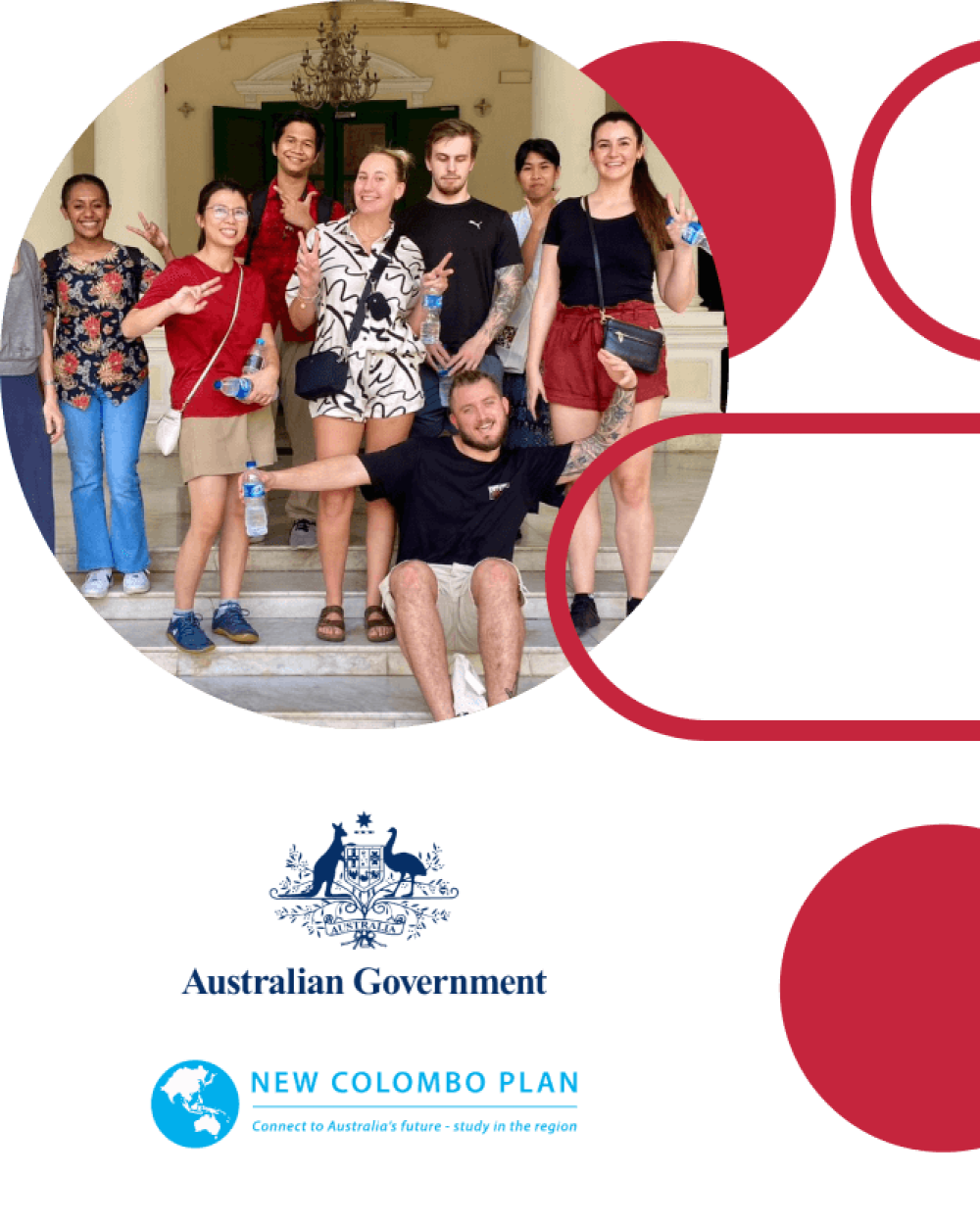
Past Information Session
Find out more about internships we offer, fees, grants and credit

Commitment-free consultation

Apply to your university

Confirm your spot

Secure your internship

Finalise and prepare
What next?
Book in a chat with us to discuss your options
We make everything as easy as possible for you, and it all starts with a commitment-free consultation.
Click below to book your consultation, or just email us with any questions:
info@internationalinternships.com.au
What our interns say
Real experiences, real impact – hear from those who’ve been there