Environmental
Internships
Tailored, immersive and sustainability-focused internships
Program overview
Gain real-world experience working on some of the most important environmental challenges of our time
This immersive four-week program offers a deep, interdisciplinary understanding of the Indo-Pacific’s most pressing environmental challenges, current sustainability initiatives, and the role you can play in driving meaningful change throughout your career.
You will join a diverse cohort of Australian and Indonesian university students to collaborate on academically rigorous, real-world projects addressing critical conservation and sustainability issues. Working in cross-cultural teams, you will strengthen your analytical thinking, problem-solving, and global leadership capabilities while contributing to impactful environmental solutions.
Specialise in your field of interest
Choose a project stream aligned with your academic and career goals to build professional networks and develop practical experience: Environmental Science, Policy and Advocacy and Business for Sustainability.
Each stream combines applied learning, field experience, and research-informed project work designed to develop both technical expertise and professional capability.
Learn at the frontline of global conservation
Based in Indonesia — a global centre of extraordinary biodiversity and complex environmental challenges — the program provides unparalleled exposure to real-world sustainability practice. Through hands-on project work, expert-led seminars, and engagement with a broad range of stakeholders — including government representatives, industry leaders, grassroots NGOs, developers, primary producers, and conservation organisations — you will develop a nuanced understanding of the connections between culture, economic development, and environmental stewardship.
Academic recognition and funding support
We will support you in obtaining university credit for your participation. Eligible students may also access funding opportunities, including:
-
New Colombo Plan Mobility Grant — up to $4,000
-
OS-HELP Loan — up to $10,130
Applications now open!
Limited places are available for the June intake of our Sumatra Rainforest Program and Lombok Coastal Program.
Explore both locations below and register your interest today to secure your place.
Why Lombok?
Drive real change in coastal and marine conservation
Lombok, in West Nusa Tenggara, Indonesia, offers a unique opportunity for students passionate about environmental conservation and sustainable development. With its diverse coastal ecosystems, dramatic landscapes, and Mount Rinjani, Lombok is both an ecological hotspot and a place of cultural richness. As part of the Mandalika Special Economic Zone, the island is balancing growing tourism with environmental initiatives.
Interns will work alongside local NGOs and communities on projects like coral reef restoration, mangrove rehabilitation, and sustainable coastal management. This hands-on experience builds critical skills in project management, environmental education, and cross-cultural engagement.
Interning in Lombok isn’t just professional development — it’s a chance to make a real impact while living in one of Indonesia’s most beautiful and ecologically important regions.
Program details
Choose your project stream to build networks and get real work experience in your field
Day 1 - Day 24: Lombok
Along the coastline of Lombok, you will undertake your internship, supported through regular check-ins with your manager and the International Internships team. Your placement will be based in vibrant coastal communities, where you’ll engage directly with marine conservation initiatives. You’ll spend time exploring coral reefs, supporting coastal ecosystem restoration, and working alongside local organisations dedicated to protecting Lombok’s rich marine biodiversity.

Orientation
Team Internship
Island Exploration
Volunteer
Become Immersed
Lombok – Read more about the location & what we do there
Lombok, an island in Indonesia’s West Nusa Tenggara province, is known for its stunning natural beauty, from lush rainforests to pristine beaches. As a popular destination for eco-tourism, Lombok is also a growing hub for sustainable development and conservation efforts. By visiting Lombok, you’ll gain valuable insight into the region’s environmental challenges, cultural heritage, and the importance of sustainable tourism.
Our time will include:
Airport Pickup
You will be met at the airport upon arrival in Lombok and transferred to your accommodation.
Orientation
We’ll guide you through the essentials, helping you get settled and providing all the information you need to stay safe and enjoy your time in Lombok.
Language Class
An introductory Indonesian language class will equip you with useful phrases to communicate during your stay.
Exploring Lombok’s Natural Environment
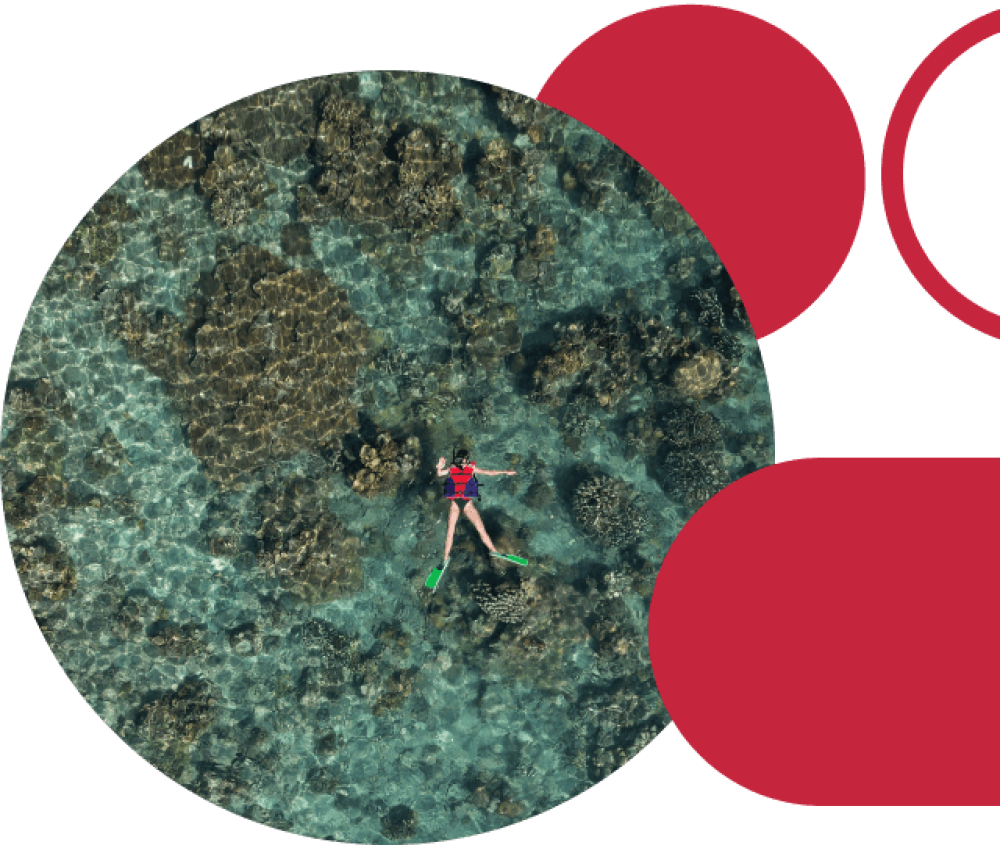
We’ll explore Lombok’s diverse natural landscapes — from pristine white-sand beaches and vibrant coral reefs to lush forests, waterfalls, and traditional agricultural landscapes. Through guided nature experiences, including snorkelling in clear coastal waters, you’ll discover the island’s rich marine biodiversity and unique ecosystems.
University of Mataram
University of Mataram (UNRAM) is Lombok’s premier academic institution, a key partner in environmental and sustainability efforts on the island. You’ll visit the campus and engage with experts on local environmental challenges, conservation initiatives, and sustainable development practices.
Local NGOs & Community Projects
Gain valuable insights from local NGOs focused on marine conservation, community development, and sustainability. Learn about efforts to protect coral reefs, coastal ecosystems, and Lombok’s unique biodiversity.
Sustainable Tourism, Marine Farming and Aquaculture
Visit local farms and agricultural projects that focus on sustainable practices, organic farming, and better understand the impact of tourism on local communities and resources.

Day 25 - Day 28: Jakarta
In Jakarta, you will visit key players in environmental policy, innovation and conservation to understand the big picture around sustainability in Indonesia and the Indo-Pacific region. Jakarta has an amazing buzz and you'll have a great time exploring and discovering what it has to offer.

Visit Decision Makers

Explore
24/7 Support
Jakarta - Read more about the location and what we do there
It is impossible to get a thorough understanding of how things work in Indonesia without spending time in it’s bustling capital, Jakarta. Home to the ASEAN Secretariat and the heads of many international government, non-government and corporate offices, Jakarta is where key decisions are made and national strategy is formulated. We will hear from some of the organisations at the heart of this decision making, which helps provide context for the visits in North Sumatra.
Our time will include:
Cultural immersion
Visit some fantastic sites such as Istiqlal (Independence) Mosque and Indonesia’s Old City.
Organisational Visits
We will visit a wide range of organisations such as government departments (both Australian and Indonesian), international and local NGOs, think tanks and innovative organisations disrupting the status quo.
Networking Event
We will endeavour to include a networking event during your time in Jakarta, although please note that this does depend on what’s on.
Why Sumatra?
Experience frontline rainforest conservation
Sumatra, one of the world's most biodiverse ecosystems, offers an exceptional opportunity for students passionate about environmental conservation and sustainable development.
Home to vast tropical rainforests, endangered wildlife including orangutans, rhinos, elephants, and tigers and unique fauna not found anywhere else, Sumatra is both an ecological treasure and a region facing urgent environmental challenges such as deforestation and habitat loss.
Interns will collaborate with local NGOs, conservation organisations, and community partners on initiatives such as rainforest conservation, biodiversity protection, ecosystem restoration, and sustainable land management. This hands-on experience develops essential skills in conservation practice, research, environmental education, and cross-cultural collaboration.
Interning in Sumatra gives students an opportunity to contribute to the protection of globally significant ecosystems while gaining meaningful experience in one of the world’s most critical conservation landscapes.
Program details
Choose your project stream to build networks and get real work experience in your field
Day 1 - Day 24: North Sumatra
In North Sumatra you will undertake your internship, supported through regular catch ups with your manager and the International Internships team. Your internship will be based in North Sumatra’s capital, Medan, the lush rainforest and surrounds of Gunung Leuser National Park (GNLP), or a combination of the two. Regardless, you will spend time in and around GNLP getting acquainted with the wildlife and supporting local conservation efforts.
Orientation
Team Internship
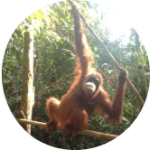
Jungle Trekking
Volunteer
Become Immersed
Medan – Read more about the location & what we do there
Medan, the capital of North Sumatra, is one of Indonesia’s largest cities. It has a long history as a trading centre, is an important port and today serves as a centre for the palm oil industry and financial services sector in Indonesia. By visiting Medan, you will gain an understanding of the key drivers of change by hearing from high-level decision makers and researchers.
Our time will include:
Airport pickup
You will be met at the airport when you arrive in Medan, then taken to your hotel.
Orientation
We will show you around and give you all the info you need to help you be safe, mobile and happy while in Indonesia.
Language class
An Indonesian language class will give you the basics that you can build on throughout the program
University of North Sumatra (USU)
USU is the premier university in North Sumatra and a close partner in the development and delivery of this program.
We will visit the USU campus and hear from specialists about the complex interplay between industrial development and the environment, deforestation and the drivers of trade, providing you with a real depth of understanding of these issues.
Students from USU will likely join the team internships and other activities in North Sumatra, providing local insight and knowledge on key issues and helping you to discover the real Indonesia.
International & Local NGOs
Gain detailed perspectives on environmental sustainability and biodiversity challenges and goals in the region from globally recognised organisations, including the anti-palm oil movement.
Palm Oil Plantation
Visit a palm oil plantation near Medan to hear from producers and gain an understanding of how the industry works.
Gunung Leuser National Park – Read more about the location & what we do there
One of the most biodiverse areas in the world, Gunung Leuser National Park is home to key fauna including orangutans, tigers, elephants, rhinoceros and much more. During our visits you’ll be immersed in the dense, tropical environment and experience a range of unforgettable activities including work with local change-makers and on-the-ground experience of environmental conservation.
Undertake Conservation Activities with a Grassroots NGO
Get your hands dirty by doing conservation work to support the initiatives of a local grassroots NGO. This will most likely involve planting trees on the perimeter of the national park.
Trek with Orangutans
Trek through the national park to see orangutans in their natural habitat and immerse yourself in the unique biodiversity of Gunung Leuser National Park. Conditions permitting, you will also have the option to raft along a river bordering the national park.
Stay in a Local Village
We will be hosted by the home village of the founder of our local NGO partner. You will learn about life in the village and some of the challenges presented by development and tourism.
Day 25 - Day 28: Jakarta
In Jakarta, you will visit key players in environmental policy, innovation and conservation to understand the big picture around sustainability in Indonesia and the Indo-Pacific region. Jakarta has an amazing buzz and you'll have a great time exploring and discovering what it has to offer.
Visit Decision Makers
Explore
24/7 Support
Jakarta - Read more about the location and what we do there
It is impossible to get a thorough understanding of how things work in Indonesia without spending time in it’s bustling capital, Jakarta. Home to the ASEAN Secretariat and the heads of many international government, non-government and corporate offices, Jakarta is where key decisions are made and national strategy is formulated. We will hear from some of the organisations at the heart of this decision making, which helps provide context for the visits in North Sumatra.
Our time will include:
Cultural immersion
Visit some fantastic sites such as Istiqlal (Independence) Mosque and Indonesia’s Old City.
Organisational Visits
We will visit a wide range of organisations such as government departments (both Australian and Indonesian), international and local NGOs, think tanks and innovative organisations disrupting the status quo.
Networking Event
We will endeavour to include a networking event during your time in Jakarta, although please note that this does depend on what’s on.
Why Indonesia?
Opportunities abound with this key partner and centre for regional strategy and economic development
Indonesia has the largest economy in Southeast Asia, and is predicted to be the world’s fifth-largest economy by 2030. It also has some of the world's most biodiverse forests and marine ecosystems and stores an enormous amount of carbon through its forests and mangroves, making it of huge importance to the global effort to mitigate climate change.
Through the Indonesia-Australia Comprehensive Economic Partnership Agreement (IA-CEPA), Australia and Indonesia's close collaboration extends to environmental governance, creating a real need for graduates with a working knowledge of the two cultures and a passion for environmental sustainability.
Click here to learn more about the opportunities Indonesia has to offer you.
Why Lombok?
Protect nature, empower communities and grow your career
Lombok, in West Nusa Tenggara, Indonesia, offers a unique opportunity for students passionate about environmental conservation and sustainable development. With its diverse coastal ecosystems, dramatic landscapes, and Mount Rinjani, Lombok is both an ecological hotspot and a place of cultural richness. As part of the Mandalika Special Economic Zone, the island is balancing growing tourism with environmental initiatives.
Interns will work alongside local NGOs and communities on projects like coral reef restoration, mangrove rehabilitation, and sustainable coastal management. This hands-on experience builds critical skills in project management, environmental education, and cross-cultural engagement.
Interning in Lombok isn’t just professional development — it’s a chance to make a real impact while living in one of Indonesia’s most beautiful and ecologically important regions.
Why Sumatra?
Protect nature, empower communities and grow your career
Sumatra, one of Indonesia’s most biodiverse islands, offers an exceptional opportunity for students passionate about environmental conservation and sustainable development. Home to vast tropical rainforests, endangered wildlife including orangutans, elephants, and tigers, and some of Southeast Asia’s most important ecosystems, Sumatra is both an ecological treasure and a region facing urgent environmental challenges such as deforestation and habitat loss.
Interns will collaborate with local NGOs, conservation organisations, and community partners on initiatives such as rainforest conservation, biodiversity protection, ecosystem restoration, and sustainable land management. This hands-on experience develops essential skills in conservation practice, research, environmental education, and cross-cultural collaboration.
Interning in Sumatra gives students an opportunity to contribute to the protection of globally significant ecosystems while gaining meaningful experience in one of the world’s most critical conservation landscapes.
Program streams
Choose your project stream to build networks and get real work experience in your field
Environmental Science
With its diverse ecosystems and pressing environmental challenges, Indonesia provides a unique environment for you to put your learnings into practice. You will contribute to the preservation of the country’s rich biodiversity while interacting with esteemed researchers and conservationists and gaining invaluable hands-on experience.
Available Projects
Yayasan PETAI: Ecosystem Restoration and Nursery Relience Assessment in the Gunung Leuser Landscape
Project Stream: Environmental Science
Suitable for: Environmental Science, Sciences and related fields
Location: Medan, Sumatra
Organisation Overview:
Yayasan PETAI (Pesona Tropis Alam Indonesia) is a non-profit organisation dedicated to the conservation of Indonesia’s rich tropical biodiversity and the promotion of sustainable practices within local communities. Established with the vision of fostering harmony between nature and human activities, Yayasan PETAI engages in various programs focused on environmental education, sustainable agriculture, and community empowerment. By collaborating with local stakeholders, government agencies, and international partners, the foundation aims to develop innovative solutions that address pressing environmental challenges while enhancing the livelihoods of communities. Through its initiatives, Yayasan PETAI strives to protect Indonesia’s unique ecosystems and promote a culture of environmental stewardship among current and future generations.
Project Background:
Large areas within and surrounding Gunung Leuser National Park (located across North Sumatra and Aceh) have experienced significant ecosystem degradation due to land clearing for agriculture, illegal logging, and the expansion of palm oil plantations by both corporate and small-scale actors. This degradation has reduced forest cover, weakened ecosystem functions, and threatened the habitats of key flora and fauna.
PETAI Indonesia is implementing a long-term ecosystem restoration program across three locations: Tenggulung (Aceh), where a restoration base and plant nursery have already been established; Besitang (North Sumatra), where restoration planning is underway; and Sempana, near Tangkahan (North Sumatra), an ecologically sensitive area adjacent to conservation zones.
A critical challenge within this restoration effort is the high mortality rate of nursery seedlings (bibit) prior to and after planting. Understanding the biological, environmental, and management factors influencing seedling survival is essential to improving restoration outcomes and ensuring long-term ecosystem recovery.
Project Objectives:
The objective of this project is to investigate the key factors influencing nursery (bibit) mortality across PETAI Indonesia’s restoration sites and to develop evidence-based recommendations to improve seedling resilience, survival rates, and overall nursery management practices in support of long-term ecosystem restoration goals.
General Responsibilities:
The team’s responsibilities and roles include, but are not limited to, the following tasks to achieve the project outcomes:
- Support the collection and analysis of nursery data to assess seedling (bibit) mortality rates and identify trends related to species type, growth stage, and environmental conditions.
- Assist in evaluating the resilience of different tree species and vegetation types used in the nurseries, with attention to their suitability for local restoration conditions.
- Conduct basic assessments of soil and growing media, including observations or testing related to nutrient content and factors affecting seedling health.
- Review existing nursery management practices—such as lighting, watering, spacing, and general growing conditions—and identify opportunities for improvement.
- Contribute to comparative analysis across the Tenggulung, Besitang, and Sempana sites to highlight site-specific challenges and shared best practices.
- Develop practical, evidence-based recommendations to help PETAI Indonesia reduce nursery mortality and improve restoration outcomes.
- Prepare and deliver a clear summary report and presentation that communicates findings and recommendations to project stakeholders.
Please note that this position description is subject to change. Further details on the project and its outcomes will be provided closer to the internship start date.
Yayasan PETAI: Smart Patrol Program: Monitoring, Mapping and Evaluation for Community-Based Forest Conservation
Project Stream: Environmental Science
Suitable for: Environmental Science, Sciences and related fields
Location: Medan, Sumatra
Organisation Overview:
Yayasan PETAI (Pesona Tropis Alam Indonesia) is a non-profit organisation dedicated to the conservation of Indonesia’s rich tropical biodiversity and the promotion of sustainable practices within local communities. Established with the vision of fostering harmony between nature and human activities, Yayasan PETAI engages in various programs focused on environmental education, sustainable agriculture, and community empowerment. By collaborating with local stakeholders, government agencies, and international partners, the foundation aims to develop innovative solutions that address pressing environmental challenges while enhancing the livelihoods of communities. Through its initiatives, Yayasan PETAI strives to protect Indonesia’s unique ecosystems and promote a culture of environmental stewardship among current and future generations.
Project Background:
Yayasan PETAI is dedicated to environmental conservation and community empowerment, with a strong focus on protecting natural resources. A key initiative in their conservation efforts is the Smart Patrol program, implemented in collaboration with the Ministry of Environment and Forestry (KLHK) through its local Forest Management Unit (KPH). This program utilizes technology, often involving mobile applications and GPS tracking, to enhance forest monitoring and law enforcement against illegal logging, poaching, and other threats to biodiversity. Smart Patrol aims to empower local communities to actively participate in conservation efforts and improve the effectiveness of patrols.
In addition, systematic documentation of findings at each patrol point helps Yayasan PETAI monitor environmental changes, identify emerging threats, evaluate conservation impacts, and develop more effective strategies for forest protection and sustainable management.
The Project Objective
This project will conduct forest patrols in the Tembulun, Besitang, or Sempana areas to collect field data related to cultivated plants found within forest areas, prohibited plant species planted illegally in protected zones, wildlife signs such as animal droppings, and other environmental or human activity indicators. All findings will be documented and submitted through the Smart Patrol mobile application. The collected data will be used to evaluate conservation conditions and support future program development.
General Responsibilities:
The team’s responsibilities and roles include, but are not limited to, the following tasks to achieve the project outcomes:
- Literature review: A review of existing literature on community-based conservation, technology use in conservation, similar patrol programs, and collaborative management of natural resources.
- Data collection plan: A detailed plan outlining the methodology for data collection, including interview guides, survey questionnaires, and data analysis strategies.
- Field visit reports: Detailed reports documenting observations from field visits to patrol areas.
- Mapping Report: A comprehensive spatial report that presents maps showing the distribution of patrol findings, including both positive and negative indicators. This report will provide guidance for future conservation planning and decision-making.
Please note that this position description is subject to change. Further details on the project and its outcomes will be provided closer to the internship start date.
YSHL: Community-Based Wildlife-Human Conflict Mitigation in the Gunung Lesuser Landscape
Project Stream: Environmental Science
Suitable for: Environmental Science, Sciences and related fields
Location: Medan, Sumatra
Organisation Overview:
Yayasan Sumatera Hijau Lestari (YSHL) is an Indonesian non-profit conservation organisation dedicated to protecting and restoring Sumatra’s critical ecosystems while strengthening the capacity of local communities to manage their natural resources sustainably. YSHL operates across the Gunung Leuser landscape—a globally important biodiversity hotspot and UNESCO World Heritage Site where iconic species such as Sumatran elephants, tigers, orangutans, and rhinos still persist. In its work, YSHL integrates environmental conservation with community empowerment, partnering with villages, government stakeholders, and international organisations to address conservation challenges in ways that are practical, culturally appropriate, and grounded in local knowledge.
At the heart of YSHL’s approach is a community-centred model of conservation that combines education, field-based monitoring, and empowerment initiatives. Through programmes such as the Community Conservation Mentorship Initiative (CCMI) and Human-Wildlife Conflict Mitigation, YSHL builds environmental awareness, strengthens local conservation leadership, and supports practical interventions that reduce pressures on forests and wildlife. The organization also conducts applied field research, wildlife monitoring, conflict mitigation, and sustainable development activities designed to foster long-term coexistence between people and nature in the Leuser buffer zones
Project Background:
This program is entering its third year of implementation in Besitang, North Sumatra, in collaboration with the International Elephant Project (Australia). The project is situated in and around the buffer zones of Gunung Leuser National Park, a globally significant conservation area that supports critical populations of Sumatran elephants and tigers.
In villages such as Aras Napal, increasing wildlife–human conflict has been reported, particularly involving elephants and, to a lesser extent, tigers. These conflicts are largely driven by habitat fragmentation and land-use change, which have brought wildlife into closer contact with agricultural areas. Elephants frequently enter community farmlands, causing crop damage and economic losses for local households.
YSHL works closely with local communities, conservation partners, and private sector stakeholders to better understand patterns of wildlife movement and conflict hotspots. Community-based mitigation strategies are being explored and tested, including land-use adaptations and non-lethal deterrent approaches. Alongside this, systematic monitoring of elephant groups is conducted to improve understanding of population dynamics, movement corridors, and overall wellbeing.
As the program progresses, there is an ongoing need for structured data collection, analysis, and applied research to support evidence-based conflict mitigation and long-term coexistence between communities and wildlife.
The Project Objective
The objective of this internship is to support YSHL’s wildlife–human conflict mitigation program by contributing to field-based monitoring of elephant populations, spatial mapping of wildlife movement and conflict areas, and applied research on strategies to reduce negative interactions between communities and elephants and tigers in Besitang.
General Responsibilities:
Student responsibilities are grouped into three main task areas:
1. Field Monitoring
- Participate in field-based monitoring of Sumatran elephants (and opportunistic observations related to tigers) in Besitang and surrounding buffer zones.
- Assist YSHL staff, local community members, and partners (e.g. PT Rapala) in motorbike-based patrols to identify areas frequently used by elephants.
- Observe and document signs of wildlife presence such as tracks, dung, damaged vegetation, crop incursions, and movement corridors.
- Support monitoring activities aimed at identifying conflict-prone locations between wildlife and community farmland.
2. SMART Patrol & Spatial Data Collection
- Record field observations and evidence of elephant movement using GPS-enabled tools and the SMART Patrol application.
- Assist in mapping elephant pathways, crossing points, and conflict hotspots onto digital maps.
- Support basic organisation and verification of patrol data collected during field activities.
- Contribute to comparing current spatial data with previous monitoring records to identify changes or recurring patterns over time.
3. Wildlife Identification & Elephant Population Data
- Support elephant identification data collection, including documenting elephant group composition (adult males, adult females, calves/juveniles).
- Assist in estimating group size and noting observable indicators of elephant health and wellbeing.
- Contribute to identifying trends in elephant population dynamics, such as indications of population growth or decline, based on available monitoring data.
- Support basic documentation of observations that inform long-term monitoring and conflict mitigation strategies.
In addition to field-based tasks, students are expected to conduct desk-based research on wildlife–human conflict (with a focus on elephants and tigers) and contribute to practical, evidence-informed recommendations to support YSHL’s ongoing work.
Interns are encouraged to have prior knowledge of the SMART application or GPS usage before starting their internship.
Please note that this position description is subject to change. Further details on the project and its outcomes will be provided closer to the internship start date.
OIC: GIS-Based Rainforest Mapping
Project Stream: Environmental Science
Suitable for: Environmental Science, Sciences and related fields
Location: Medan, Sumatra
Organisation Overview:
The Orangutan Information Centre (OIC) is a grassroots Indonesian conservation organisation based in Medan, North Sumatra. Established in 2001, OIC works closely with local communities living alongside orangutan habitats in the Leuser and Batang Toru ecosystems. Over time, the organisation has expanded its scope from conservation education to include forest protection, wildlife monitoring, habitat restoration, and sustainable livelihood initiatives that support long-term conservation outcomes.
A key focus of OIC’s work is supporting the protection and recovery of orangutan populations through science-based conservation and community engagement. This includes applied research, habitat assessment, and collaboration with government agencies, NGOs, and international partners to inform decision-making related to orangutan protection and reintroduction.
Project Background:
As part of its pre-release strategy for rescued orangutans, OIC undertakes habitat suitability assessments to identify optimal areas for reintroduction into the wild. This process relies on spatial analysis of rainforest conditions, including forest cover, fragmentation, and ecological indicators that influence orangutan survival.
OIC currently utilises forest cover datasets from sources such as Global Forest Watch; however, these datasets are released periodically and may not always reflect current on-the-ground conditions. There is therefore a need for updated, refined spatial analysis to improve the accuracy of habitat suitability assessments and support future orangutan release planning.
The Project Objective
The objective of this internship is to apply GIS-based analysis, including MaxEnt modelling, to identify and assess suitable orangutan reintroduction habitats, and to strengthen OIC’s internal capacity through knowledge transfer where relevant skills are available.
General Responsibilities
Intern responsibilities may include but not limited to:
- Analysing forest cover and land-use data using GIS tools, including Global Forest Watch datasets.
- Applying MaxEnt modelling to assess habitat suitability for orangutan reintroduction.
- Identifying changes in forest cover and fragmentation that may affect habitat quality.
- Supporting the organisation and interpretation of spatial data to inform conservation planning.
- Assisting in the preparation of materials for knowledge transfer, such as presentations or learning resources, to support OIC staff capacity building (subject to intern skillsets).
Special requirements
- Foundational knowledge of GIS is essential.
- Experience with, or understanding of, MaxEnt is highly desirable but not mandatory
Please note that this position description is subject to change. Further details on the project and its outcomes will be provided closer to the internship start date.
JARI Foundation: Snorkel Trail Development: Marine Education and Biodiversity Research
Project Stream: Environmental Science
Suitable for: Environmental Science, Sciences and related fields
Location: Mataram,Lombok
Organisation Overview:
JARI (Juang Laut Lestari) is a community-led marine conservation NGO based in Lombok, Indonesia. Its mission is to promote sustainable seas by involving local people in managing marine resources. Focused on the Alas Strait Seascape, JARI runs programs in conservation and research, education, ecotourism, sustainable livelihoods, and network development. Activities include coral and mangrove restoration, citizen science, school programs, and fisheries management. By building capacity among fishers, youth, women, and schools, and partnering with government and international groups, JARI strengthens both marine ecosystems and the coastal communities that depend on them.
Project Background
Over the past two years, JARI Foundation has implemented snorkelling trail pilot projects in East Lombok focused on marine education and biodiversity research. These projects produced baseline data and educational concepts aimed at increasing public awareness of coastal ecosystems, including seagrass meadows, mangroves, and coral reefs.
This internship project is a continuation of the previous phases, building directly on existing outputs. The focus has now shifted to deeper and more comprehensive underwater data collection, refinement of research methods, and the development of education-focused outputs that translate scientific findings into accessible learning tools for snorkelling trail users.
Project Objective
The objective of this project is to support the development of an educational snorkelling trail at Gili Limo through marine biodiversity data collection, spatial mapping, and research-based educational outputs that strengthen JARI’s ongoing conservation and citizen science programs.
Project Outputs
- Draft Snorkelling Trail Guidebook for Gili Limo.
- Updated citizen science biodiversity maps and datasets, following JARI’s standard format.
- Recommendations for improving ethical and practical data collection tools, where applicable.
General Responsibilities
The team’s responsibilities and roles include, but are not limited to, the following tasks to achieve the project outcomes:
- Marine Data Collection & Monitoring
Conduct underwater and intertidal surveys using snorkelling, intertidal walks, or diving (subject to student ability and certification).
Apply dry transect methods and photo-based data collection techniques.
Collect ecological data related to coral reefs, seagrass beds, and mangrove ecosystems.
- Data Processing & Analysis
Organise and analyse photographic and field data to identify key marine species and habitat conditions.
Contribute to biodiversity mapping following JARI’s citizen science formats and guidelines.
Support evaluation and refinement of ethical data collection tools and protocols where relevant.
- Education & Output Development
Assist in the development of a snorkelling trail guidebook, including site descriptions and ecological highlights.
Contribute to citizen science education materials that communicate research findings to a non-technical audience.
Required Knowledge & Skills
- Background in Environmental Science, Marine Science, or related disciplines.
- Basic understanding of marine ecosystems such as coral reefs, seagrass, and mangroves.
- Swimming ability is required; snorkelling experience is highly desirable.
- Diving certification is an advantage but not mandatory.
- Willingness to work outdoors and in marine environments.
Please note that this position description is subject to change. Further details on the project and its outcomes will be provided closer to the internship start date.
Indonesia Biru Foundation: Coral Restoration and Coral AI Development (Biotic Benthic Composition)
Project Stream: Environmental Science / Sustainable Tourism
Suitable for: Environmental Science, Sciences, International Studies, Community Development, and related fields
Location: Kecinan Bay and Nipah, Lombok
Organisation Overview:
Established in 2020, the Indonesia Biru Foundation (IBF) is dedicated to marine research, coral reef restoration, and the development of coastal communities in Lombok, Indonesia. Key initiatives include planting coral reefs at locations like Kecinan Beach to boost tourism and provide local employment, operating a Coral Lab for education, and promoting sustainability through eco-friendly products. IBF also collaborates with partners like TU Delft’s Coral Connect project to restore reefs around Lombok and the Gili Islands and raise awareness about coral conservation. Through these efforts, IBF aims to strengthen marine literacy and support sustainable development in coastal communities.
Project Background:
Monitoring coral reef health traditionally relies on manual underwater photo transects and point-based analyses, which are time-consuming and can introduce observer bias. While automated coral detection tools are advancing rapidly, many existing models only classify broad benthic categories and are trained on datasets from limited geographic regions.
IBF is developing a Coral AI system focused on automated segmentation and classification of biotic benthic composition, including coral lifeforms, algae, and other reef organisms. This project combines hands-on coral restoration work with AI-driven data development, allowing students to contribute directly to both reef recovery and technological innovation.
Students will support ongoing coral restoration at IBF sites while collecting and annotating underwater images following IBF’s Coral AI manual. These annotated datasets will be used to train and refine AI models using Roboflow, contributing to more accurate and locally relevant reef monitoring tools.
Project Objectives:
- Support the maintenance and monitoring of IBF coral restoration sites
- Strengthen long-term coral reef data collection in Lombok
- Develop high-quality annotated datasets for Coral AI model training
- Improve automated classification of coral lifeforms and other benthic components
- Provide students with applied experience in coral restoration and AI-assisted ecological monitoring
Project Output:
The team’s responsibilities and roles include, but are not limited to, the following tasks to achieve the project outcomes:
- Coral Restoration Site Maintenance and Monitoring
- Assist with routine maintenance of coral restoration structure and Kecinan and Nipah
Support basic monitoring activities and field documentation
- Assist with routine maintenance of coral restoration structure and Kecinan and Nipah
- Underwater Image Collection for Coral AI
- Collect underwater photographs following IBF’s sampling protocol (e.g. quadrat-based and face-down images)
- Ensure images meet quality requirements for AI annotation (angle, clarity, framing)
- Image Annotation Using Roboflow
- Annotate underwater images according to IBF’s Coral AI manual
- Label biotic benthic categories including coral lifeforms, algae, and other organisms
- Assist in dataset organisation and quality control for model training
General Responsibilities:
- Coral restoration field activities (snorkelling or diving, depending on certification)
- Underwater photography for scientific monitoring
- Image annotation and dataset development using Roboflow
- Basic data management and documentation
- Team discussions and progress reporting
Required Skills
- At least an Open Water Diver with 20 logged dives
- Strong interest in marine conservation and coral reefs
- Willingness to work in underwater and field-based environments
- Attention to detail for image annotation and data quality
- Basic computer literacy and willingness to learn AI tools
- Teamwork and adaptability
Please note that this position description is subject to change. Further details on the project and its outcomes will be provided closer to the internship start date.
UNRAM Aquaculture: Environmental Management in the Aquaculture Industry
Project Stream: Environmental Science / Policy and Advocacy
Suitable for: Environmental Science, Sciences, International Studies, Community Development, and related fields
Location: Mataram, Lombok
Organisation Overview:
University of Mataram (Universitas Mataram / UNRAM) is a leading public research university based in Lombok, Indonesia, dedicated to advancing education and applied research in environmental sustainability, natural resource management, and regional development. The university plays a key role in addressing environmental challenges across eastern Indonesia through research, innovation, and community engagement.
With strong expertise in environmental science, marine studies, agriculture, and sustainable development, UNRAM leads field-based research on coastal ecosystems, biodiversity conservation, climate change, and sustainable resource management. Through collaboration with government, industry, and local communities, the university develops practical solutions that support environmental protection and sustainable development — providing students with the opportunity to contribute to meaningful, real-world research and conservation initiatives.
Project Background:
Environmental (Water quality) management is essential in the aquaculture industry because it ensures fish production is conducted under proper environmental standards and within safe ecological limits. By understanding how environmental conditions (such as temperature, dissolved oxygen, pH, salinity, and ammonia) influence fish health and farm performance, farmers and practitioners can anticipate risks and make timely adjustments. Careful analysis of water-quality parameter standards provides a clear benchmark for monitoring and evaluating culture conditions, helping to maintain stable water characteristics that support optimal growth, survival, and feed efficiency.
Effective management of these environmental conditions—through aeration, water exchange, biofiltration, and good husbandry—strengthens productivity and reduces disease outbreaks. In addition, responsible handling of aquaculture waste (uneaten feed, feces, and sludge) is critical to prevent pollution, protect surrounding ecosystems, and ensure the long-term sustainability of fish farming operations.
Project Objectives:
The University of Mataram’s Aquaculture Study Program offers an internship designed to equip students with hands-on experience in environmental management, water quality monitoring, fish nutrition, and health management in aquaculture. This internship is aimed at students in the field of aquaculture who wish to gain valuable insights into sustainable farming practices, focusing on the intersection of environmental sustainability, fish nutrition, and disease management.
Specifically in environmental study, to understand and analyze the importance of environment management in aquaculture to maintain environmental standards, control the impact of water conditions, meet water quality parameter standards, support farming productivity, and prevent pollution from aquaculture waste.
General Responsibilities:
As an intern in the Environmental Management in Aquaculture Industry program at Universitas Mataram, you will gain hands-on experience in sustainable aquaculture practices through the following activities:
Water Quality Monitoring: collect and analyse water samples from shrimp and lobster farms, assessing parameters such as pH, dissolved oxygen, salinity, temperature, and ammonia, and support water management practices.
Aquaculture Waste Management: assist in managing waste (uneaten feed, sludge, and by-products) and support strategies to reduce pollution and improve sustainability.
Nutritional Management: observe and support sustainable feeding practices, evaluate fish and shrimp nutrition, and assess how feeding affects growth, health, and environmental impact.
Health Management and Biosecurity: support disease prevention measures and observe health monitoring practices for fish and shrimp.
Research and Data Collection: assist with research on water quality, nutrition, and sustainable aquaculture practices, including data collection and analysis.
Fieldwork and Industry Engagement: participate in field visits to aquaculture farms in East Lombok and engage with local farmers and industry stakeholders.
Final Project and Presentation: contribute to a final project and present findings and recommendations to improve environmental management practices.
This internship provides practical experience in sustainable aquaculture while contributing to environmentally responsible industry practices in Indonesia.
Please note that this position description is subject to change. Further details on the project and its outcomes will be provided closer to the start date.
UNRAM Marine Science: Microplasic Pollution, Marine Plankton and Sediment in Water Within a Tropical Mariculture System
Project Stream: Environmental Science / Policy and Advocacy
Suitable for: Environmental Science, Sciences, International Studies, Community Development, and related fields
Location: Mataram, Lombok
Organisation Overview
The Faculty of Agriculture at Universitas Mataram (UNRAM Kelautan) is a leading centre for education and research in marine and coastal ecosystems in Indonesia. The faculty focuses on marine biodiversity, conservation, climate change adaptation, and sustainable fisheries, providing students with opportunities to study Indonesia’s diverse marine environments — including coral reefs, mangroves, seagrass ecosystems, and endangered species. Its work also includes research on ocean conditions, marine ecology, and environmental quality to support effective conservation and sustainable resource management.
Beyond academic study, the faculty conducts applied, field-based research and works closely with local communities to monitor marine ecosystems, promote conservation practices, and support sustainable coastal livelihoods. Through partnerships with national and international organisations, UNRAM Kelautan contributes to marine science innovation while preparing future environmental professionals and strengthening marine conservation efforts across the region.
Project Background
Coastal ecosystems play a crucial role in supporting marine biodiversity, fisheries productivity, and coastal livelihoods. Comprehensive environmental assessments are therefore essential to understand both the biological condition and pollution status of coastal waters. This internship project integrates two complementary field-based studies conducted in Jerowaru coastal waters, Lombok, Indonesia.
Marine plankton are fundamental components of marine ecosystems. As primary producers, phytoplankton form the foundation of the marine food web and contribute significantly to oxygen production through the process of photosynthesis. Plankton communities are also widely recognized as key indicators of marine ecosystem health because their abundance and composition respond rapidly to environmental changes. Understanding plankton distribution and community structure is therefore important for evaluating coastal ecosystem productivity. This component of the project provides students with practical experience in plankton sampling, preservation, laboratory handling, and taxonomic identification. Field sampling will be conducted in Jerowaru waters, and laboratory analyses will be carried out at the Hydrobiology Laboratory, Faculty of Agriculture, University of Mataram.
In addition to biological assessment, monitoring marine pollution has become increasingly important. Microplastics (1–5000 µm) are persistent plastic particles that have been widely detected in marine waters, sediments, and even food products. Their presence represents a global environmental concern due to potential ecological impacts and risks to food safety. In marine environments, microplastics occur both in the water column and in sediments. While the water column reflects short-term contamination dynamics, sediments function as long-term accumulation zones. Therefore, analyzing both compartments is essential for a comprehensive assessment of environmental contamination.
Mariculture areas are particularly vulnerable to microplastic pollution because aquaculture facilities rely heavily on plastic-based materials such as nets, ropes, cages, and floats that may degrade over time. Furthermore, their proximity to coastal settlements increases the likelihood of land-based plastic inputs. Jerowaru, Lombok, is an important marine culture zone in Indonesia, producing fish, lobster, and seaweed. However, baseline information on microplastic contamination in this area remains limited. This component of the project aims to generate baseline data on microplastic abundance and characteristics in water and sediment within the Jerowaru mariculture zone, and to evaluate spatial variation associated with mariculture activities.
Together, these two components provide students with multidisciplinary exposure to marine ecological assessment and coastal pollution monitoring techniques within a tropical mariculture system.
Project Objectives
Quantify and characterize microplastic abundance in water and sediment within Lombok’s Jerowaru mariculture zone, while assessing marine plankton abundance and spatial distribution in coastal waters.
General Responsibilities
- Conduct field sampling of microplastics in water and sediment at mariculture sites
- Perform laboratory extraction, identification, and characterization of microplastics
- Participate in field surveys including preparation and data collection
Project Outputs
- Microplastic quantification data from water and sediment samples in mariculture areas
- Microplastic characterization analysis (shape, size, and polymer type)
- Marine plankton abundance and spatial distribution assessment for Jerowaru coastal waters
- Field survey data collection and laboratory analysis results
Please note that this position description is subject to change. Further details on the project and its outcomes will be provided closer to the start date.
UNRAM Forestry: Community Medicine and Food Resilience through a Sustainable Agroforestry System Post-Earthquake Disaster on Lombok Island
Project Stream: Business for Sustainability / Environmental Science
Suitable for: Business, Science, Environmental Science, Agriculture and Agroforestry
Location: Central Lombok
Organisation Overview
University of Mataram (Universitas Mataram / UNRAM) is a leading public research university based in Lombok, Indonesia, dedicated to advancing education and applied research in environmental sustainability, natural resource management, and regional development. The university plays a key role in addressing environmental challenges across eastern Indonesia through research, innovation, and community engagement.
With strong expertise in environmental science, marine studies, agriculture, and sustainable development, UNRAM leads field-based research on coastal ecosystems, biodiversity conservation, climate change, and sustainable resource management. Through collaboration with government, industry, and local communities, the university develops practical solutions that support environmental protection and sustainable development, providing students with the opportunity to contribute to meaningful, real-world research and conservation initiatives.
Project Background
The Agroforestry Study Program at Universitas Mataram (UNRAM) integrates forestry, agriculture, and environmental science to promote sustainable land management systems suited to Lombok’s diverse agroclimatic conditions. The program focuses on ecosystem resilience, biodiversity conservation, community-based land use, and disaster mitigation strategies, particularly relevant in a region prone to natural hazards. Through applied research and field-based learning, students and researchers work closely with local communities to strengthen agroforestry practices that support ecological stability, food security, and rural livelihoods.
The program is supported by the Silviculture Laboratory, which serves as a practical learning and research facility for forest management, tree propagation, and ecosystem rehabilitation. The laboratory supports activities such as seedling production, species trials, growth monitoring, and vegetation analysis, providing essential technical capacity for agroforestry development and reforestation initiatives. It plays a key role in bridging theoretical knowledge with hands-on field application, particularly in restoration and sustainable land-use planning contexts.
Project Objectives
The general objective of this research is for the people of Lombok to have resiliency in natural disaster threats through various agroforestry systems, while the specific objectives are to analyze: (1) the ethnobotany of medicinal plants and explore the active compounds of essential oils used in post-disaster situations, (2) the diversity, ethnobotany, and nutritional content of Dioscorea for post-disaster food security in Lombok, (3) the sustainability level of agroforestry systems post-earthquake in Lombok.
Responsibilities
Intern responsibilities may include but are not limited to:
Field Research: support the design and implementation of research on post-disaster agroforestry systems, including ethnobotanical surveys of medicinal plants and biodiversity assessments of local food species such as Dioscorea.
Sustainability Analysis: evaluate agroforestry systems using ecological, economic, and social indicators to assess long-term sustainability.
Laboratory and Data Analysis: contribute to laboratory analysis of essential oil compounds and assist with data collection and analysis.
Community Engagement: work with local communities and support the development of science-based recommendations to strengthen food and medicinal resilience in disaster-prone areas.
Final Presentation: deliver a presentation at the end of the internship summarising your experience, key contributions, and recommendations for organisational improvement where relevant.
Please note that this position description is subject to change. Further details on the project and its outcomes will be provided closer to the internship start date.
Business for Sustainability
The ‘Business for Sustainability’ stream provides an opportunity for people wanting to use their business skills to restore the natural environment, instead of destroying it. Environmental NGOs often have a great need for staff with skills in ‘business’ functions such as budgeting, planning, economic analysis and marketing. However, it is a sector often overlooked by business graduates, which is something that we want to change.
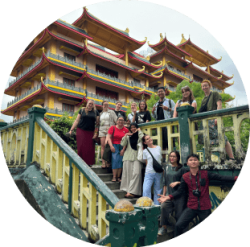
Available Project/s
OIC: Strenghtening Women-Led Enterprises and Community Resilience in the Gunung Lesuer Landscape
Project Stream: Business for Sustainability
Suitable for: Business, and related disciplines.
Location: Medan, Sumatra
Organisation Overview
The Orangutan Information Centre (OIC) is an Indonesian environmental organisation dedicated to protecting orangutans and their forest habitats through conservation education, community empowerment, and sustainable livelihood development. Operating primarily in North Sumatra within and around the Gunung Leuser ecosystem, OIC works closely with local communities living adjacent to conservation areas to reduce pressure on forests while improving socio‑economic resilience.
A core element of OIC’s work is supporting community‑based livelihood initiatives—particularly women‑led groups—as a pathway to conservation outcomes. By strengthening financial literacy, small‑scale enterprise development, and community organising, OIC aims to create alternative income streams that align environmental protection with long‑term community wellbeing.
Project Background
Over the past two to three years, OIC has been working closely with women’s groups in several communities to strengthen livelihoods that support conservation goals. These groups have received training in product development, basic financial literacy, and small‑scale production as part of OIC’s broader community resilience strategy.
In Bukit Mas, one women’s group has successfully developed a health ointment and essential oil product. While initial production has begun, the group continues to face challenges related to community organising, consistency of participation, access to raw materials, and optimisation of production processes. OIC has invested in capacity building and has supported the construction of a dedicated production house; however, the enterprise has not yet reached its full operational or commercial potential.
As the initiative moves into a new phase, there is a need to strengthen business management, branding, marketing, and production planning to formalise the enterprise, expand its scale, and improve sustainability. Supporting this process is expected to contribute both to women’s economic empowerment and to OIC’s long‑term organisational sustainability.
Project Objectives
The objective of this internship is to support OIC’s women‑led livelihood initiatives by strengthening business management capacity, improving production efficiency, and contributing to the development of a viable, scalable enterprise that supports community resilience and conservation outcomes.
General Responsibilities
Intern responsibilities are grouped into the following key areas:
- Women’s Group Facilitation & Capacity Building
- Support pendampingan (facilitation) activities with women’s groups, particularly in Bukit Mas.
- Assist OIC staff in community organising efforts, including planning activities and encouraging consistent group participation.
- Support basic financial literacy activities and record‑keeping practices.
- Business Development & Marketing Support
- Assist women’s groups in strengthening business management practices.
- Contribute ideas and research related to marketing strategies, target markets, and distribution channels.
- Support development of product branding, identity, and basic packaging concepts.
- Production Optimisation & Enterprise Scaling
- Assist in reviewing existing production processes to identify opportunities for efficiency improvements.
- Support analysis of supply chain challenges, including access to raw materials.
- Contribute to ideas and planning related to scaling production and formalising the enterprise as a legitimate, sustainable business.
Special Requirements
- Interest in community development, women’s empowerment, and sustainable livelihoods.
- Basic understanding of small business, entrepreneurship, or social enterprise.
- Familiarity with marketing, branding, or communications is an advantage.
- Strong interpersonal skills and cultural sensitivity when working with community groups.
- Adaptable, proactive, and comfortable working in low-resource settings.
- Indonesian language skills are an advantage but not required.
Please note that this position description is subject to change. Further details on the project and its outcomes will be provided closer to the internship start date.
PILAR: Social Enterprise Development, Women’s Empowerment, Digital Marketing
Project Stream: Business for Sustainability
Suitable for: Business, and related disciplines.
Location: Central Lombok
Organisation Overview
Established in January 2018 in Lombok, Indonesia, PILAR Indonesia is a non-governmental organization committed to advancing sustainable development through strong partnerships with local communities and visionary institutions. Our work is grounded in national values, respect for diversity, and a shared commitment to harmony with nature. To support our mission, PILAR Indonesia founded a social enterprise focused on the development of handcrafted rattan products under the brand “Living Warna”. This initiative combines traditional craftsmanship with innovative design to create high-quality home décor pieces for global markets.
Project Background
Currently, we collaborate with Australian Volunteers Indonesia in two key areas: digital marketing and social business mentorship. This partnership aims to strengthen our business strategies and enhance the global reach of our rattan home décor products, especially in markets such as Australia and Europe. We proudly work with over 200 artisans across Lombok, the majority of whom are women, empowering them through sustainable livelihoods and cultural preservation. In addition to our focus on social entrepreneurship, PILAR Indonesia is deeply committed to education and youth development. We actively provide learning and training opportunities for young people, particularly university students and interns seeking real-world experience in a purpose-driven work environment.
As part of this commitment, we have successfully implemented a six-month internship program in collaboration with Poltekpar Lombok (Lombok Tourism Polytechnic) during 2024. This initiative reflects our dedication to supporting education, hands-on training, and career development for the next generation. Through this program, we aim to equip young people with practical skills, foster a sense of social responsibility, and inspire future leaders in the fields of sustainability, creative industries, and community development.
Project Objectives
The objective of this international internship program is to foster cross-cultural learning, skills exchange, and professional development by providing Australian students and young professionals with first-hand experience in sustainable social enterprise operations in Indonesia. Through active involvement in projects related to community empowerment, ethical craftsmanship, digital marketing, and social business development, interns will gain valuable insights into inclusive development models and contribute meaningfully to the growth of a mission-driven enterprise.
This program also aims to:
- Strengthen people-to-people connections between Indonesia and Australia.
- Promote intercultural understanding and collaboration in the fields of sustainability, women’s empowerment, and creative industries.
- Provide interns with practical, field-based learning opportunities that align with their academic and professional goals.
- Support PILAR Indonesia’s mission in advancing grassroots innovation, global market access, and ethical supply chains.
General Responsibilities
Intern responsibilities may include but are not limited to
- Cultural and Contextual Understanding
Interns will demonstrate a basic understanding of Indonesian community dynamics, local artisan livelihoods, and social enterprise operations within a rural context.
- Practical Contribution to a Live Project
- Interns will contribute to a specific project area (e.g., digital marketing strategy, product catalog development, artisan documentation & storytelling, and community engagement initiatives).
- Mini Presentation or Report
- Interns will present key learnings, outcomes, and recommendations based on their fieldwork and collaboration with the PILAR team.
- Strengthened Cross-Cultural Collaboration
- Interns and local team members will engage in knowledge-sharing that enhances mutual understanding and future partnership potential.
Special Requirements
- Interest in community development, women’s empowerment, and sustainable livelihoods.
- Basic understanding of small business, entrepreneurship, or social enterprise.
- Familiarity with marketing, branding, or communications is an advantage.
- Strong interpersonal skills and cultural sensitivity when working with community groups.
- Adaptable, proactive, and comfortable working in low-resource settings.
- Indonesian language skills are an advantage but not required.
Please note that this position description is subject to change. Further details on the project and its outcomes will be provided closer to the internship start date.
UNRAM Forestry: Community Medicine and Food Resilience through a Sustainable Agroforestry System Post-Earthquake Disaster in Lombok Island
Project Stream: Business for Sustainability / Environmental Science
Suitable for: Business, Science, Environmental Science, Agriculture and Agroforestry
Location: Central Lombok
Organisation Overview
University of Mataram (Universitas Mataram / UNRAM) is a leading public research university based in Lombok, Indonesia, dedicated to advancing education and applied research in environmental sustainability, natural resource management, and regional development. The university plays a key role in addressing environmental challenges across eastern Indonesia through research, innovation, and community engagement.
With strong expertise in environmental science, marine studies, agriculture, and sustainable development, UNRAM leads field-based research on coastal ecosystems, biodiversity conservation, climate change, and sustainable resource management. Through collaboration with government, industry, and local communities, the university develops practical solutions that support environmental protection and sustainable development — providing students with the opportunity to contribute to meaningful, real-world research and conservation initiatives.
Project Background
The Agroforestry Study Program at Universitas Mataram (UNRAM) integrates forestry, agriculture, and environmental science to promote sustainable land management systems suited to Lombok’s diverse agroclimatic conditions. The program focuses on ecosystem resilience, biodiversity conservation, community-based land use, and disaster mitigation strategies—particularly relevant in a region prone to natural hazards. Through applied research and field-based learning, students and researchers work closely with local communities to strengthen agroforestry practices that support ecological stability, food security, and rural livelihoods.
The program is supported by the Silviculture Laboratory, which serves as a practical learning and research facility for forest management, tree propagation, and ecosystem rehabilitation. The laboratory supports activities such as seedling production, species trials, growth monitoring, and vegetation analysis, providing essential technical capacity for agroforestry development and reforestation initiatives. It plays a key role in bridging theoretical knowledge with hands-on field application, particularly in restoration and sustainable land-use planning contexts.
Project Objectives
The general objective of this research is for the people of Lombok Island to have resiliences in natural disaster threats through various agroforestry systems, while the specific objectives are to analyze: (1) the ethnobotany of medicinal plants and explore the active compounds of essential oils used in post-disaster situations, (2) the diversity, ethnobotany, and nutritional content of Dioscorea for post-disaster food security in Lombok Island, (3) the sustainability level of agroforestry systems post-earthquake in Lombok Island
Responsibilities
Intern responsibilities may include but are not limited to:
Field Research — support the design and implementation of research on post-disaster agroforestry systems, including ethnobotanical surveys of medicinal plants and biodiversity assessments of local food species such as Dioscorea.
Sustainability Analysis — evaluate agroforestry systems using ecological, economic, and social indicators to assess long-term sustainability.
Laboratory and Data Analysis — contribute to laboratory analysis of essential oil compounds and assist with data collection and analysis.
Community Engagement — work with local communities and support the development of science-based recommendations to strengthen food and medicinal resilience in disaster-prone areas.
Final Presentation — deliver a presentation at the end of the internship summarising your experience, key contributions, and recommendations for organisational improvement where relevant.
Please note that this position description is subject to change. Further details on the project and its outcomes will be provided closer to the internship start date.
Policy & Advocacy
As the host of the ASEAN Secretariat, Indonesia plays a pivotal role in advancing regional environmental sustainability. Australia and Indonesia have jointly committed to working together to reduce emissions, which is a key feature of the Indonesia-Australia Comprehensive Economic Partnership Agreement (IA-CEPA). IA-CEPA and similar initiatives open the door for better ways of doing things. This program has been designed to include a wide variety of stakeholders and present you with the full picture so that you are equipped to make a real impact.
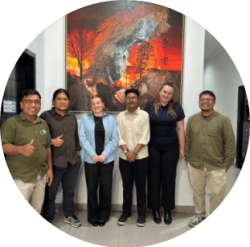
Available Projects
WALHI: Comparative Analysis of Environmental Governance in Indonesia and Australia: Strengthening Advocacy and Public Awareness
Project Stream: Policy and Advocacy
Suitable for: Students studyingArts, Law, Business, International Relations, Social Sciences
Location: Medan, Sumatra
Organisation Overview:
WALHI (Wahana Lingkungan Hidup Indonesia) is Indonesia’s largest environmental NGO, established in 1980 with a nationwide network promoting environmental protection, ecological justice, and sustainable development. As one of WALHI’s regional chapters, WALHI Sumatra Utara focuses on safeguarding North Sumatra’s ecosystems, supporting affected communities, and challenging environmental degradation caused by extractive industries, deforestation, infrastructure expansion, and pollution.
The North Sumatra chapter prioritises issues such as:
- Forest and peatland protection
- Endangered species conservation (including habitats of orangutans and other key fauna)
- Environmental policy advocacy and legal reform
- Community rights protection and sustainable livelihoods
- Mining, plantation, and hydropower impacts
- Climate justice and ecological resilience
Through advocacy campaigns, legal support, research, and community empowerment initiatives, WALHI Sumatra Utara plays a leading role in influencing environmental policies and raising public awareness across the region.
Project Background:
Indonesia is one of the world’s most biodiverse countries, home to rich ecosystems and critically endangered species, yet it faces significant environmental challenges including deforestation, mining expansion, and weak enforcement of environmental regulations. Many of these issues are not widely communicated, limiting public access to clear information about environmental risks and their impacts on communities, wildlife, and natural habitats.
In this internship project, students will support the environmental NGO WALHI Sumatra Utara by contributing to research and advocacy initiatives. The project focuses on analysing and comparing Indonesia’s environmental policies and governance frameworks with those of other countries, particularly Australia, to identify strengths, gaps, and opportunities for improvement. Student work will help inform public reports, community education materials, and policy recommendations that strengthen environmental protection and support sustainable development.
Project Objectives:
The project aims to support WALHI’s advocacy and public engagement efforts by strengthening its evidence base, improving communication of environmental issues, and highlighting regulatory gaps and international best practices that can inform future campaigns and policy initiatives.
Project Output:
Interns are expected to:
- Select an environmental issue of interest to work on collaboratively as a group.
- Produce 2–3 analytical articles (depending on project pacing and induction requirements) covering:
- Comparisons between Indonesian and Australian environmental policies.
- Identification of regulatory gaps and governance challenges in both countries.
- Impacts on the livelihoods of women, children, and wildlife, particularly in Sumatra.
- Develop social media and campaign content to promote environmental awareness and advocacy.
- Prepare a brief presentation summarizing key findings for the WALHI team at the end of the internship.
Key Responsibilities
1. Environmental Policy Literature Review
- Examine key Indonesian policies related to conservation and environmental governance.
- Identify relevant Australian policies for comparative analysis.
- Review academic, government, and NGO publications.
2. Comparative Policy Analysis
- Analyse similarities and differences between Indonesia’s and Australia’s environmental frameworks.
- Identify gaps, limitations, and opportunities for policy strengthening in both contexts.
3. Field Engagement and Organisational Visits
- Conduct visits to selected NGOs and environmental organisations.
- Participate in discussions and knowledge-sharing sessions with experts and practitioners.
- Gather practical insights to complement literature-based research.
4. Article Writing and Knowledge Management
- Produce 2–3 concise and informative articles summarizing research findings.
- Ensure writing is accessible to community audiences while maintaining academic accuracy.
- Develop a knowledge management article documenting key lessons, resources, and best practices related to the selected issue.
5. Media and Campaign Development
- Create social media and digital campaign content to promote environmental education and advocacy.
- Support WALHI’s outreach activities through creative and informative materials.
6. End-of-Program Presentation
- Present key insights, lessons learned, and policy recommendations to the WALHI team.
- Engage in discussion and feedback sessions with staff and stakeholders.
Please note that this position description is subject to change. Further details on the project and its outcome will be provided closer to internship start date.
Indonesia Biru Foundation: Permaculture and Community Engagement
Project Stream: Environmental Science and Policy and Advocacy
Suitable for: Students studying Environmental Studies / Environmental Science, Marine Science/Marine Biology, Forestry/Agriculture, Sustainability Studies, Community Development, Design, Social Sciences
Location: Kecinan Bay and Nipah, Lombok
Organisation Overview
The Indonesia Biru Foundation (IBF), established in 2020, is an independent organisation dedicated to marine and coastal conservation, environmental education, coral reef restoration, and community development in Lombok, Indonesia. IBF works closely with local communities to strengthen marine literacy, promote sustainable livelihoods, and support long-term ecosystem protection.
IBF’s activities include coral reef restoration, marine research, land-based conservation initiatives, environmental education programs, and community engagement initiatives. Through partnerships with academic institutions, local governments, and international organisations, IBF aims to bridge science, conservation, and everyday community life.
Project Background
Effective conservation requires strong community involvement and environmental awareness. In Lombok, many coastal and rural communities depend directly on marine and terrestrial ecosystems for their livelihoods, yet access to environmental education, water safety skills, and hands-on conservation experiences remains limited.
IBF addresses this gap through inclusive, community-based programs that combine environmental learning, practical skills, and public engagement. This project focuses on strengthening community connection to conservation through education, participation, and creative collaboration.
International internship students will support IBF’s ongoing outreach and conservation efforts by engaging directly with communities, maintaining permaculture systems, and co-creating public-facing environmental events. The project emphasises communication, cultural exchange, and applied environmental action.
Project Objectives
The objectives of this project are to:
- Increase environmental awareness and water safety knowledge among the general public
- Support community engagement through inclusive and educational conservation activities
- Strengthen IBF’s permaculture gardens as living learning spaces
- Encourage creative collaboration in environmental communication and event planning
- Provide students with hands-on experience in community-based conservation initiatives
Project Deliverables:
- Implementation of “The Biru Highlight” (5-day Program)
- Support the planning and delivery of a one-week public program
- Activities include:
- Basic swimming and snorkelling introduction
- Water safety awareness
- Introduction to marine and coastal ecosystems
- Basic project management and public speaking exposure
- Engagement with the general public, basic Bahasa Indonesia is a plus
- Permaculture Garden Maintenance & Monitoring
- Assist in maintaining IBF permaculture gardens
- Monitor plant health, growth, and garden systems
- Support documentation and simple reporting of observations
- Facilitate public planting if necessary
- Co-creation of an Environmental-Themed Festival (Pre-Event Phase)
- Assist in concept development for an environmental-themed festival
- Support pre-event planning, content creation, and community outreach
- Collaborate with the IBF team and local stakeholders
Key Responsibilities
- Community engagement and public-facing activities
- Environmental education support
- Field assistance during swimming, snorkelling, and ecosystem learning sessions
- Permaculture garden maintenance and monitoring
- Event planning and creative collaboration
- Basic documentation, reporting, and presentations
Required Skills
- Interest in environmental conservation and community engagement
- Willingness to work in field-based and outdoor settings
- Basic communication and teamwork skills
- Adaptability and cultural sensitivity
- Public speaking confidence (or willingness to learn
Please note that this position description is subject to change. Further details on the project and its outcome will be provided closer to internship start date.
Sustainable Tourism
Lombok’s natural beauty and rich biodiversity make it a popular destination for visitors from around the world. While tourism offers a valuable alternative to more extractive industries, it can also place pressure on the Lombok's tropical eco-coastal systems and local communities. Through this program, you will support the promotion of ecotourism, helping to foster a more equitable approach that benefits both local communities and travelers alike.
Available Projects
Pokdarwis Bonjeruk Permai: Market Segmentation and Distribution Strategy Development
Project Stream: Business for Sustainability / Sustainable Tourism
Suitable for: Tourism, Business, and related disciplines.
Location: Lombok
Organisation Overview:
Nostalgia Bonjeruk Tourism Village is a community-led rural tourism initiative located in Central Lombok, West Nusa Tenggara. Built on a vision of cultural preservation and sustainable development, the village offers a unique tourism experience that blends historical heritage, ecological landscapes, and traditional culinary practices. Managed by Pokdarwis Bonjeruk Permai (the local tourism awareness group), the initiative is supported by strong community participation and well-established infrastructure, including restored colonial-era buildings, organic farms, and scenic cycling routes. The organization promotes meaningful cultural exchange while enhancing local livelihoods and environmental stewardship.
Project Background:
As Nostalgia Bonjeruk continues to grow, it is seeking to refine its approach to reaching and serving two key tourist markets: international (primarily Western) visitors and domestic (Indonesian) travelers. These groups exhibit distinct travel behaviors, expectations, and motivations, which affect how the village must position its offerings and deliver services. To support sustainable growth and ensure effective marketing, the organization is prioritizing the development of a differentiated distribution strategy tailored to each segment. This project will involve deep-diving into market research and strategic planning to better understand each audience and align the village’s resources accordingly.
Project Objectives:
The primary objective is to create a market-informed distribution strategy that distinguishes between the needs of domestic and international tourists. The project aims to:
- – Identify key characteristics and preferences of each market segment.
– Assess the performance and suitability of existing distribution channels.
– Recommend tailored strategies for marketing, communication, and service delivery.
– Support long-term decision-making by determining which segment offers greater growth potential.
Through this project, the organization also hopes to build internal capacity in market research and strategic thinking, while fostering student involvement in applied tourism development.
Project Output:
The team’s responsibilities and roles include, but are not limited to, the following tasks:
- Market Research and Segmentation
– Conduct customer profiling through surveys, interviews, or existing data analysis.
– Identify key motivations, travel behaviors, and expectations for both Western and Indonesian tourists.
– Analyze competitive offerings and benchmark strategies from similar rural tourism initiatives.
- Distribution Strategy Development
- – Review current marketing and distribution efforts and assess their effectiveness across target segments.
– Recommend tailored distribution channels (e.g., online platforms, tour operators, partnerships) for each audience.
– Suggest enhancements in digital presence, messaging, and engagement tactics to better reach each market.
- Data Management and Integration
- – Organize and centralize existing visitor data into a streamlined database.
– Support the integration of findings into ongoing tourism product development and community-based initiatives.
– Ensure that research outputs are accessible and practical for the internal team to adopt and implement.
- Collaboration and Recommendations
- – Work closely with the Pokdarwis Bonjeruk Permai team to align research insights with village priorities.
– Develop a final report outlining key findings, strategic recommendations, and actionable steps.
– Contribute insights into whether future efforts should prioritize international or domestic market expansion.
This project presents a valuable opportunity to engage in real-world tourism planning and contribute to a sustainable, community-driven initiative at the intersection of culture, economy, and the environment.
Please note that this position description is subject to change. Further details on the project and its outcomes will be provided closer to the internship start date.
Dates & fees
Lombok and Sumatra
| Intake 1 - Sumatra | Intake 2 - Lombok | Intake 3 - Lombok | |
|---|---|---|---|
| Arrive in Indonesia | 13 June 2026 | 27 June 2026 | 21 November 2026 |
| Depart Indonesia | 11 July 2026 | 25 July 2026 | 19 December 2026 |
| Duration | 4 weeks | 4 Weeks | 4 Weeks |
| Apps Close | 6 April 2026 | 6 April 2026 | 28 August 2026 |
| Program Fee | $4,400 | $4,400 | $4,400 |
| NCP funding* | Up to $4,000 | Up to $4,000 | Up to $4,000 |
Inclusions & Exclusions
Inclusions
- Industry project placement and support
- Accommodation in a mixture of private accommodation in shared apartment or co-living arrangement and twinshare (same gender) accommodation at a hotel
- Administrative support, including academic credit approval (if applicable)
- Pre-departure support, including visa advice and sponsorship where required
- Airport transfers on nominated arrival and departure dates
- Immersive orientation program
- Intercultural communication workshop
- Approximately 12 hours of Indonesian language classes
- Career development workshop
- Cultural and social events with Indonesian buddies
- Couple of meals during organised events
- Explore the surrounding areas through an organised weekend trip
- Industry visits
- 24/7 in-country support
- International Internships completion certificate
- Weekly check-ins
- Connection with Indonesian students from local universities
Exclusions
- Internet, phone and home working set-up
- Flight costs, airport taxes and associated costs
- Travel insurance
- Visa costs and passport fees
- Meals and drinks
- Enrolment fees for any subjects at your university
- Extra activities an travel, or any other items of a personal nature
- Host-specific requirements (uniform, safety equipment, etc)
- Laundry, toiletries, amenities
- Vaccinations (if required)
- Daily transportation costs
Dates & fees
Summer 2025
| Key Dates | |
|---|---|
| Arrive in Indonesia | 23 November 2025 |
| Depart Indonesia | 20 December 2025 |
| Duration | 4 weeks |
| Apps Close | 20 August 2025 |
| Program Fee | $4,400 |
| NCP funding* | Up to $4,000 |
*A limited number of grants are available to eligible students. Learn more.
Inclusions & exclusions
Inclusions
- Industry project placement and support
- Accommodation in a mixture of private accommodation in shared apartment or co-living arrangement and twinshare (same gender) accommodation at a hotel
- Pre-departure support, including visa advice and sponsorship where required
- Administrative support, including academic credit approval (if applicable)
- Airport transfers on nominated arrival and departure dates
- Immersive orientation program
- Intercultural communication workshop
- Indonesian language class
- Industry visits
- Career development workshop
- Explore the surrounding areas through an organised weekend trip
- Cultural and social events with Indonesian buddies
- 24/7 in-country support
- Weekly check-ins
- International internships completion certificate
- Connection with Indonesian students from local universities
Exclusions
- Internet, phone and home working set-up
- Flight costs, airport taxes and associated costs
- Visa costs and passport fees
- Travel insurance
- Meals and drinks
- Enrolment fees for any subjects at your university
- Host-specific requirements (ie. uniform, safety equipment)
- Vaccinations (if required)
- Laundry, toiletries and amenities
- Extra activities and travel, or any other items of a personal nature
- Daily transportation costs

Course credit
We support you to earn credit for your course
It is likely that you will be able to earn academic credit from your university by completing this program.
We have a list of approved credit units from several of our partner universities, so please just get in touch with us to discuss your situation. Alternatively, you can contact a course adviser from your university and they may be able to help. We will support you to get any forms signed by your host, but please note that it is up to you to ensure that you are eligible and to manage your enrolment.
Both domestic and international students are eligible to apply for this program, although you must be an Australian citizen to be eligible to receive NCP funding, as detailed below.
Drop Down
Lorem Ipsum is simply dummy text of the printing and typesetting industry. Lorem Ipsum has been the industry’s standard dummy text ever since the 1500s, when an unknown printer took a galley of type and scrambled it to make a type specimen book.
Drop Down
Lorem Ipsum is simply dummy text of the printing and typesetting industry. Lorem Ipsum has been the industry’s standard dummy text ever since the 1500s, when an unknown printer took a galley of type and scrambled it to make a type specimen book.
Drop Down
Lorem Ipsum is simply dummy text of the printing and typesetting industry. Lorem Ipsum has been the industry’s standard dummy text ever since the 1500s, when an unknown printer took a galley of type and scrambled it to make a type specimen book.
Drop Down
Lorem Ipsum is simply dummy text of the printing and typesetting industry. Lorem Ipsum has been the industry’s standard dummy text ever since the 1500s, when an unknown printer took a galley of type and scrambled it to make a type specimen book.
Drop Down
Lorem Ipsum is simply dummy text of the printing and typesetting industry. Lorem Ipsum has been the industry’s standard dummy text ever since the 1500s, when an unknown printer took a galley of type and scrambled it to make a type specimen book.
Grants & funding
NCP grants of $4,000 are available for this program
New Colombo Plan (NCP)
You are likely to be eligible for an NCP grant if:
- You are an Australian citizen
- You are an undergraduate student
- This experience will count toward your uni degree
- You have received no more than one NCP grant previously (no more than two in total)
A limited number of grants are available to students at: Curtin; Deakin; Uni of Newcastle; RMIT; UniSA; and UTS.
These $4,000 grants make the effective program fee just $400. And the best part is that because they are grants, not loans, you don’t need to pay them back!
Connect with your International Office to confirm your eligibility or discuss it with our team during your initial consultation and we will point you in the right direction. Note that you will be advised whether or not you have been allocated a grant before you need to accept your spot on the program.
Grants are distributed on a first-come-first-served basis, so apply early for your best chance of receiving one!
OS-HELP repayable loan
OS-HELP is a loan available to eligible students enrolled in a Commonwealth supported place who plan to undertake some of their study overseas. If your experience with us will count towards the requirements for your Commonwealth supported course in Australia, you may be able to borrow up to $10,130.
Other funding options
Learn about other funding options that might be available to you on our webpage here.
Past Information Session
Find out more about internships we offer, fees, grants and credit
Have your questions answered
Find out more about internships we offer, fees, grants and credit

Commitment-free consultation

Apply to your university

Confirm your spot

Secure your internship

Finalise and prepare
What next?
Book in a chat with us to discuss your options
We make everything as easy as possible for you, and it all starts with a commitment-free consultation.
Click below to book your consultation, or just email us with any questions:
info@internationalinternships.com.au
What our interns say
Real experiences, real impact – hear from those who’ve been there