RMIT Engineering Capstone
Complete a real-world industry project in your field of engineering
Program overview
Get real-world experience and industry contacts to help launch your global career.
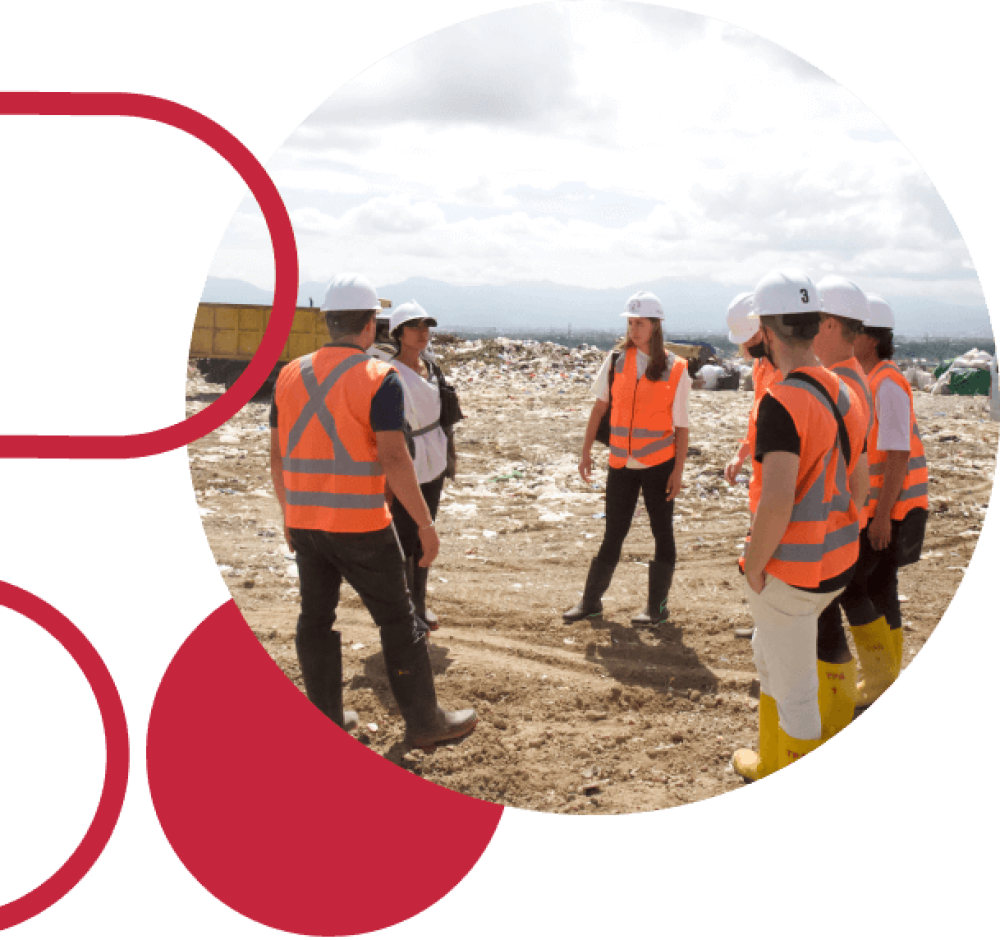
Complete your Engineering Capstone Project with an organisation based in Indonesia. Get real-world experience and industry contacts to help launch your global career.
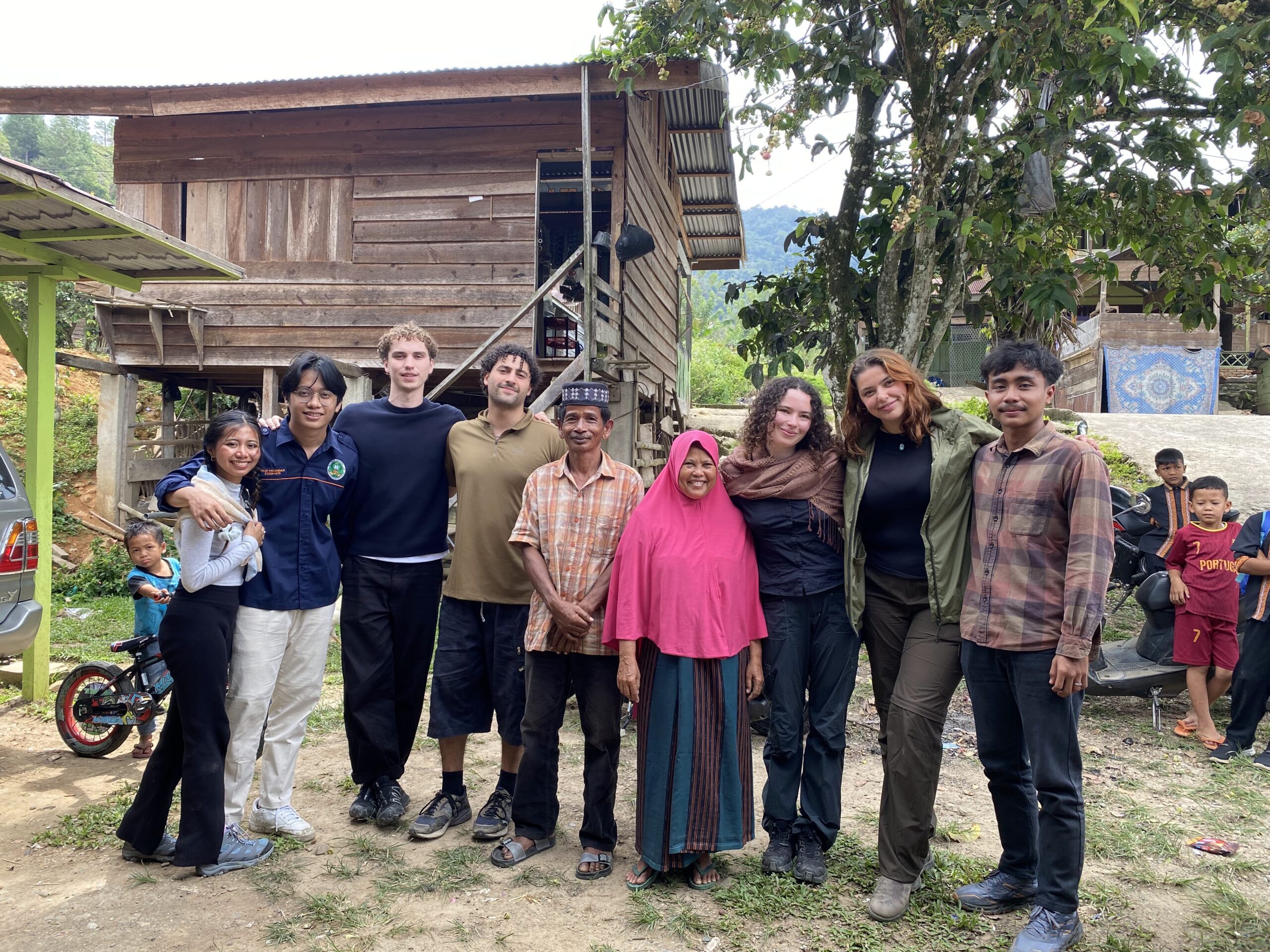
You will travel to Indonesia to visit your host organisation and work on your project. You will also participate in various activities, social and cultural, and attend Indonesian language classes.
Eligible students can receive generous New Colombo Plan (NCP) grants to cover the majority of expenses.
Program details
Complete a real-world engineering challenge for an Indonesian host organisation, in-country or online
Program Schedule

Semester 1: March - June

Winter Break: June - July

Semester 2: August - October
What Happens During Your Time in Indonesia?
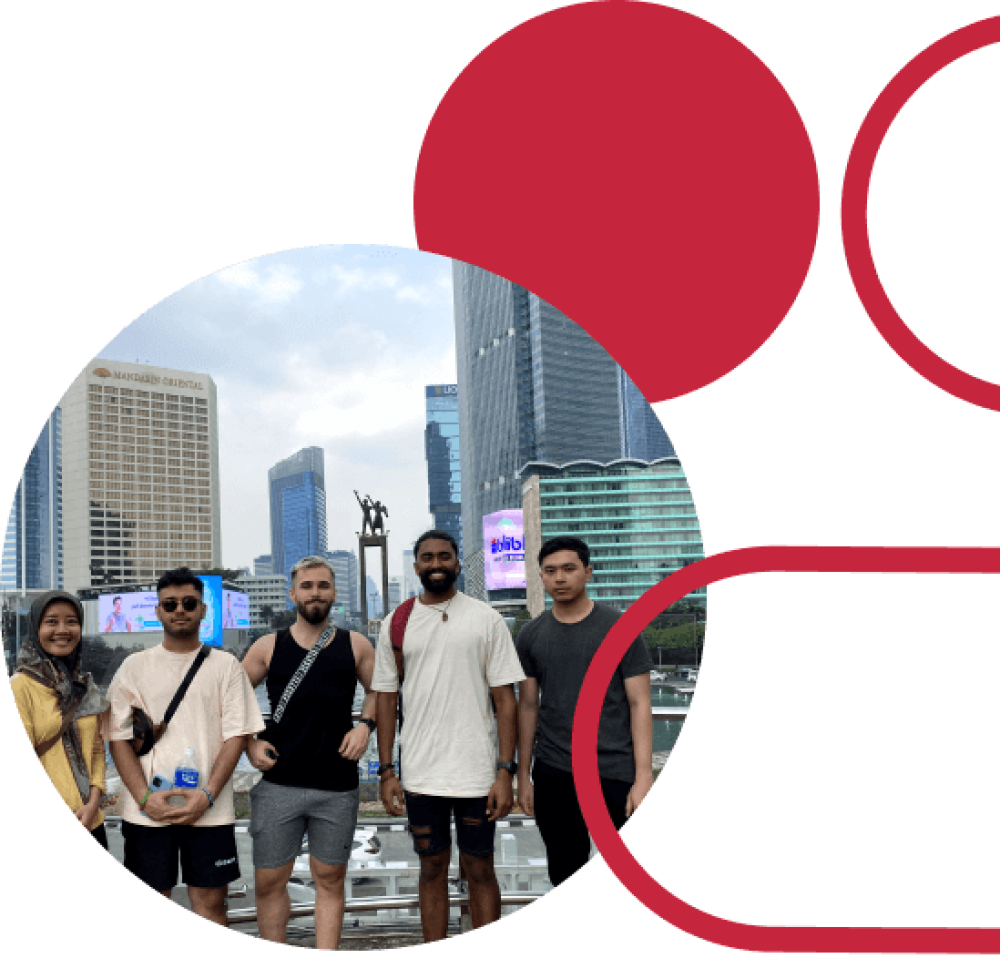
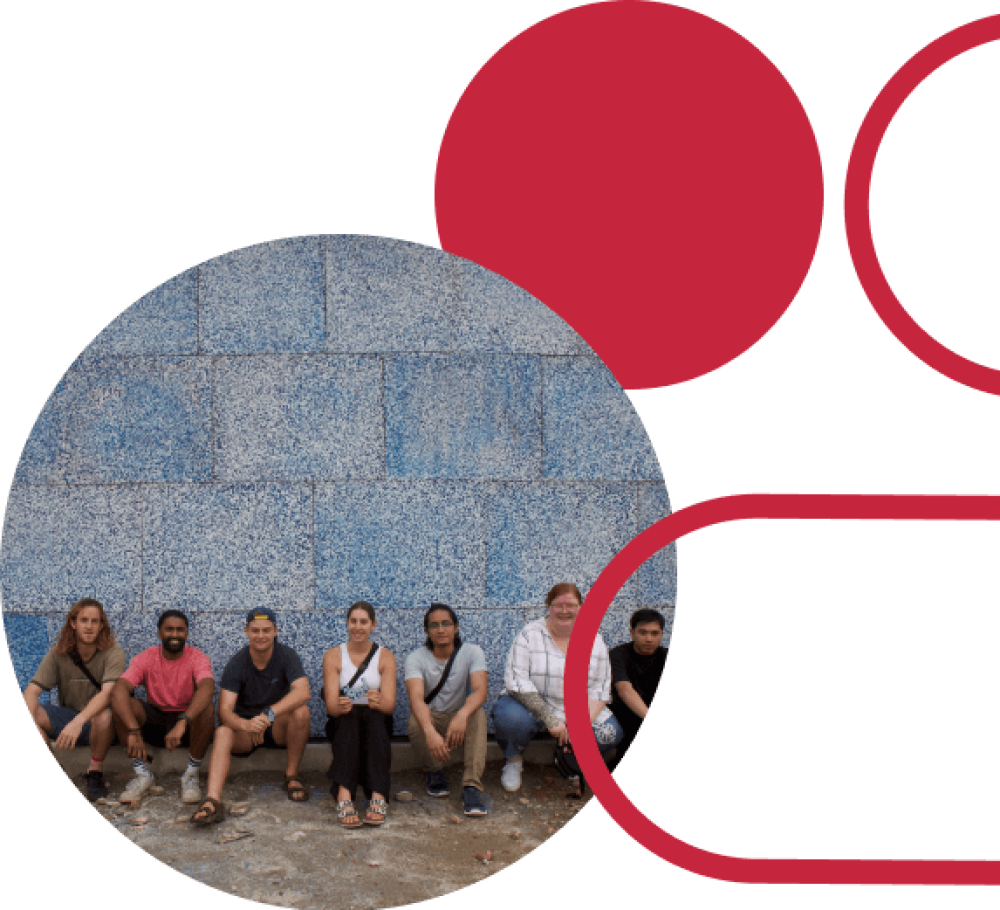
Your four weeks in Indonesia will be coordinated by the International Internships team, who will help you prepare for your trip, then meet you at the airport and support you for the duration of your time there.
The main purpose of your trip is to connect with your host organisation, completing project work such as site assessments and information gathering, and getting to know your managers. You will also attend professional and social events, designed to help you experience the real Indonesia and build your global networks.
Your time will comprise:
Bandung - 7 Days of Language and Culture
Travel to Bandung for to learn the basics of the Indonesian language, and experience Indonesian culture through a number of exciting and fun activities
Jakarta - 3 Days of Professional Development
Visit Australian and Indonesian government agencies and industry partners to gain insights into the rapid development Australia-Indonesia relationship and exciting career opportunities for Engineering graduates in the region.
Project Locations - Remaining Time With Host Organisations
The final two and a half weeks (approximately) in Indonesia will be spent working directly on your projects. This includes time at your host organisation, developing an understanding of the local context of your project and conducting work such as site surveillance, data collection and collation.
Depending on the location of your project within the Indonesian archipelago, this may require travel to a different city or even a different island.
Real-world problems
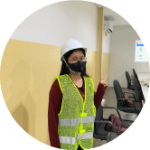
Global Networks
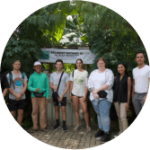
Immersion
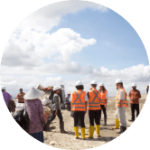
Language
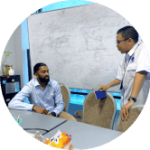
Support
Support
You receive qualified, professional support
- RMIT Engineering Academic: You will work closely with your allocated RMIT Engineering academic, who will provide technical engineering knowledge to help you complete your project
- Your Host Organisation: Staff from your Host Organisation will meet with you regularly to track your progress and help ensure that you have a thorough understanding of the problem at hand
- International Internships Team: As specialists in intercultural working, and the Australia-Indonesia relationship in particular, the International Internships team will support you to work effectively and develop your global networks and intercultural working skills
Meet our hosts
Complete a real-world engineering challenge for an Indonesian host organisation
Indonesia Biru Foundation
Indonesian Biru Foundation
Beacon Engineering
Beacon Engineering
Mycotech Lab (MYCL)
Mycotech Lab (MYCL)
Azura Indonesia
Azura Indonesia
IDEP Foundation
IDEP Foundation
Jari Foundation
Jari Foundation
Sampangan
Sampangan
IPRO - Indonesia Packaging Recovery Organisation
IPRO - Indonesia Packaging Recovery Organisation
Relung Indonesia Foundation
Relung Indonesia Foundation
Advanced Materials Research Centre (AMRC)
Advanced Materials Research Centre
Meet Our Hosts
Complete a real-world engineering challenge for an Indonesian host organisation online and in-country
Indonesia Biru Foundation
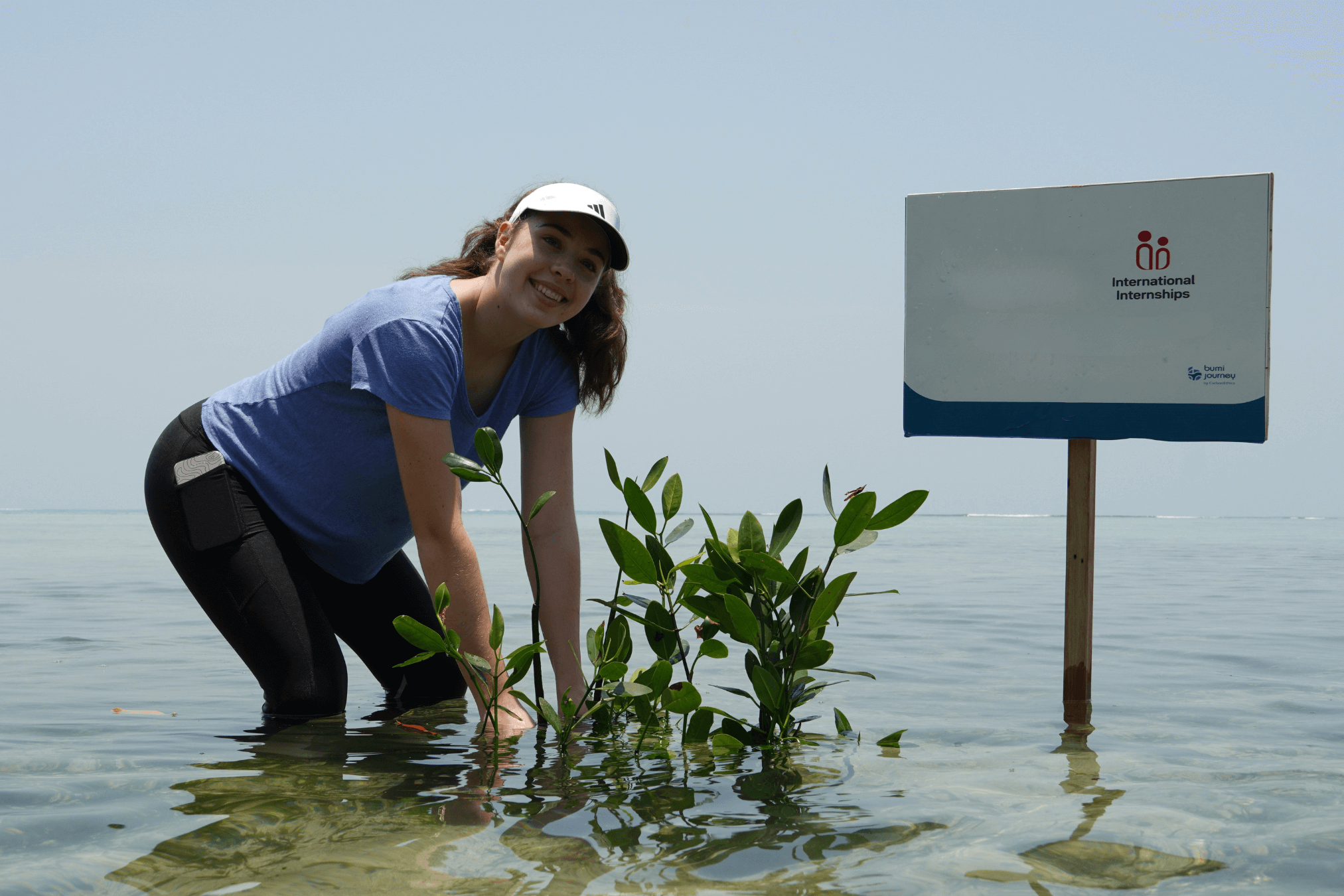
Indonesia Biru Foundation (IBF) is an Indonesian non-governmental organisation established in 2020 that works to protect and restore coastal and marine ecosystems, particularly around Lombok, through scientific research, practical coral reef restoration, environmental education, and community development programs. The foundation’s projects include coral and mangrove planting, marine monitoring, and outreach that increases local marine literacy, while also creating sustainable livelihood opportunities for coastal communities and engaging volunteers and visitors in conservation efforts.
Available Projects
Community-Based Design of a Dual-Material Waste Shredding Unit
Location: Kencinan Bay, Lombok
RMIT Academic Supervisor: TBA
Project Background
Organic waste and rigid plastics make up a substantial share of household and small-business waste in Lombok, yet both streams face practical barriers to effective processing. While organic waste is theoretically compostable, the absence of size reduction slows decomposition and discourages consistent community use. In parallel, recyclable rigid plastics – particularly HDPE and PP – require shredding before they can enter recycling or circular pathways, but limited access to suitable equipment means these materials are often stockpiled, mixed with general waste, or improperly discarded.
This challenge is compounded by frequently overloaded and periodically closed landfills, underscoring the need for decentralised waste solutions. However, most available shredders are costly, industrial in scale, difficult to maintain locally, or unsuitable for household and community contexts.
Together, these conditions highlight a clear engineering need for a portable, low-cost, and safe shredding system capable of processing both organic waste and HDPE/PP plastics, while balancing performance, durability, user safety, and ease of local fabrication and maintenance under variable field conditions.
Project Objectives
The objective of this project is to design and develop a portable dual-material shredding system capable of processing organic waste and HDPE/PP plastics at the community or small-business level, with emphasis on safety, reliability, affordability, and suitability for local assembly and operation.
Relevant Engineering Fields
Mechanical Engineering, Mechatronics Engineering
Project Outcomes
This project will be undertaken alongside a complementary engineering project focused on plastic waste compaction, together contributing to an integrated, source-level waste reduction system. The team is expected to deliver:
- Waste stream assessment outlining typical organic and HDPE/PP materials, moisture content, and volume ranges at IBF project sites.
- Conceptual and detailed mechanical design of a dual-material shredding system, including clear justification of design choices.
- CAD drawings and technical specifications covering dimensions, materials, tolerances, and key components.
- Shredding mechanism selection with defined performance targets (e.g. throughput, particle size range).
- Motor, power, and transmission specifications appropriate for community-scale operation and local power availability.
- Prototype development (full-scale or scaled, subject to feasibility) with basic functional testing.
- Bill of Materials (BOM) with estimated costs and locally available components identified.
- Safety, operation, and maintenance guidelines suitable for non-specialist users.
Relevant Skills
- Mechanical design and machine elements
- Basic materials engineering
- CAD and technical documentation
- Applied problem-solving under real-world constraints
Note: This project is being revised by the RMIT academic supervisor and the scope may change. Further details on the project and its outcomes will be provided closer to the start date.
Portable Plastic Compactor for PET and LDPE Waste Reduction
Location: Kencinan Bay, Lombok
RMIT Academic Supervisor: TBA
Project Background
Plastic packaging waste is extensively generated by households, tourism operators, and food outlets in Lombok, with PET bottles and LDPE films and bags forming a significant proportion of this stream. Although lightweight, these materials are highly bulky, making storage and transport inefficient unless compacted, and during periods when landfills are overloaded or temporarily closed, uncompressed plastic waste accumulates rapidly, creating environmental, public health, and logistical pressures.
Despite PET and LDPE being recyclable, effective recovery depends on source-level segregation and volume reduction, yet existing compaction equipment is largely designed for industrial settings and is often unsuitable for household, community, or small-business use due to high cost, large size, power demands, and maintenance complexity. Consequently, recyclable plastics are frequently mixed with general waste or disposed of improperly.
This context highlights a clear engineering need for a compact, safe, and affordable plastic compactor capable of reliable operation in decentralised settings, prioritising user safety, structural integrity, portability, manufacturability, and meaningful volume reduction.
Project Objectives
This project aims to develop a portable plastic compactor for PET and LDPE waste that enables effective source-level volume reduction while remaining safe, affordable, and practical for use by non-specialist operators in community and small-business settings.
Relevant Engineering Fields
Mechanical Engineering, Mechatronic Engineering
Project Outcomes
This project runs in parallel with a related engineering project developing a dual-stream waste shredder, with each project addressing a different stage of decentralised waste processing.
The team is expected to deliver:
- – Assessment of PET and LDPE waste types and volumes, including typical container and film formats handled by communities and small businesses.
- – Concept selection and design justification for the chosen compaction mechanism and operating method.
- – CAD models and technical specifications, including structural design and load requirements.
- – Force and power calculations demonstrating achievable volume reduction targets.
- – Prototype development (full-scale or scaled, subject to feasibility) with basic performance validation.
- – Bill of Materials (BOM) and indicative unit cost for local fabrication.
- – Safety features and operating procedures designed for community-level use.
- – Deployment considerations covering portability, storage, and ease of use in field conditions.
Relevant Skills
- – Mechanical and structural analysis
- – Design for manufacturability
- – Prototyping and testing
- – Engineering judgement and documentation
Note: This project is being revised by the RMIT academic supervisor and the scope may change. Further details on the project and its outcomes will be provided closer to the start date.
Beacon Engineering
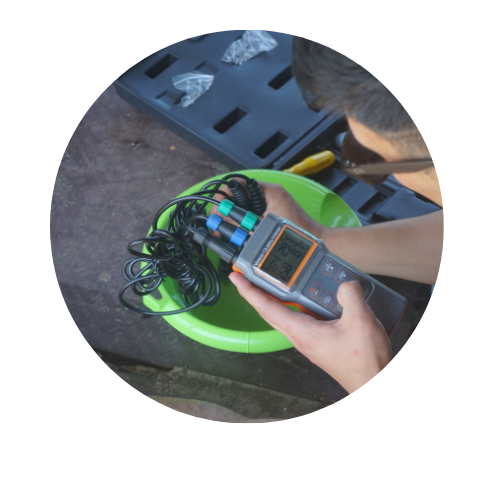
Beacon Engineering is a pioneer telemetry company in Indonesia. Since 2013, they have provided various solutions for water safety, weather, climatology, and geotechnical issues. Their technology enables online, real-time, continuous data delivery with the best accuracy.
They contribute to every environmental issue in Indonesia by providing product innovations such as Automatic Weather Recorder (AWR), Automatic Rain Recorder (ARR), Automatic Water Level Recorder (AWLR), Automatic Vibrating Wire Recorder (AVWR), Automatic Water Gate Controller (AWGC), Automatic Deformation Recorder (ADR), Automatic Pressure Level Recorder (APLR), Automatic Flowmeter Recorder (AFMR), Early Warning System (EWS), and Smart Telemetry System Application (STESY).
In addition to innovating through technology, they are committed to continuously improving the user experience by providing an unlimited consultation and full maintenance guarantee to all devices.
Available Projects
Zero Data Loss Smart Logger System for Reliable Time Series Data Acquisition
Location: Yogyakarta, Java
RMIT Academic Supervisor: TBA
Project Background
Environmental and infrastructure monitoring systems often rely on embedded data loggers operating in remote locations with unstable power supply and intermittent communication networks. These systems continuously record time-series data such as water levels, rainfall, pressure, or flow, which must remain complete and accurate over long periods.
In practice, data loss frequently occurs due to communication dropouts, power interruptions, or system resets, resulting in incomplete datasets that reduce analytical reliability and compromise decision-making. As Beacon Engineering expands its monitoring deployments, ensuring end-to-end data integrity—from sensor to server—has become a core technical challenge.
Project Objectives
The objective of this project is to design and implement a resilient data logging system that ensures continuous, secure, and loss-free storage and transmission of time-series monitoring data, supporting scalable and trustworthy environmental monitoring operations.
Relevant Engineering Fields
Electrical & Electronic Engineering
Project Outcomes
- Embedded firmware with data buffering and recovery logic
Firmware that stores sensor data locally during network outages and automatically resends missing data once connectivity is restored (e.g. ring buffer or queue-based storage on SD/flash memory). - Secure data transmission and storage mechanisms
Implementation of lightweight encryption or authentication (e.g. checksum validation, basic encryption) to ensure data integrity during device-to-server communication. - Scalable backend data structure for time-series storage
A database schema or storage model (e.g. timestamped tables) designed to support long-term, high-frequency environmental data without loss or duplication.
Relevant Skills
- Programming embedded systems using C/C++ on microcontrollers
- Understanding of data logging, buffering, and fault-tolerant system design
- Experience with communication protocols (e.g. MQTT, FTP, serial interfaces)
- Basic backend and database development for time-series data
- Familiarity with data integrity, synchronization, and secure data transmission
- Ability to design and test end-to-end hardware–software workflows
Notes:
- This project will be completed through a mix of online contact and time on site in Indonesia. There are associated fees but also generous government grants available. Please ensure that you read the program webpage for details.
- This project is subject to change. Further details on the project and its outcomes will be provided closer to the program start date.
Develop a Vibrating Wire Monitoring Prototype Integrated With An Interactive Monitoring And Visualization Platform
Location: Yogyakarta, Java
RMIT Academic Supervisor: TBA
Project Background
Vibrating Wire (VW) sensors are widely used in geotechnical and structural monitoring to measure parameters such as strain, pressure, and displacement due to their long-term stability and accuracy. However, many existing VW monitoring systems remain fragmented, with limited integration between sensors, data loggers, and user-facing platforms.
Beacon Engineering works extensively with geotechnical monitoring installations, where engineers and asset managers require clear, timely, and interpretable data rather than raw numerical outputs. As monitoring networks grow, there is increasing demand for systems that not only collect sensor data reliably, but also present it in intuitive and decision-oriented formats.
This project addresses the gap between instrumentation and usability by developing an integrated system that connects VW sensors to modern logging and visualisation platforms.
Project Objectives
The objective of this project is to develop an integrated Vibrating Wire monitoring system that enables automated sensor data acquisition and transforms complex geotechnical data into clear, interactive visual insights for engineering analysis and decision support.
Relevant Engineering Fields
Electrical & Electronic Engineering
Project Outcomes
- VW reader hardware prototype with embedded firmware
A functional hardware prototype capable of reading vibrating wire sensor signals and processing them through embedded firmware for reliable data acquisition. - Communication interface (RS485/UART/Ethernet) and structured data output
A communication system that transmits sensor data using standard industrial protocols and outputs the data in a consistent, structured format suitable for storage and analysis. - Web-based interactive monitoring dashboard
An online dashboard that allows users to view, explore, and interpret real-time and historical monitoring data through intuitive charts and controls. - Visualization design guidelines and user interaction flows
A set of guidelines outlining how monitoring data should be visually presented and how users interact with the system to support clear and effective decision-making.
Relevant Skills
- Programming embedded systems using C/C++ on microcontrollers
- Understanding of data logging, buffering, and fault-tolerant system design
- Experience with communication protocols (e.g. MQTT, FTP, serial interfaces)
- Basic backend and database development for time-series data
- Familiarity with data integrity, synchronization, and secure data transmission
- Ability to design and test end-to-end hardware–software workflows
Notes:
- This project will be completed through a mix of online contact and time on site in Indonesia. There are associated fees but also generous government grants available. Please ensure that you read the program webpage for details.
- This project is subject to change. Further details on the project and its outcomes will be provided closer to the program start date.
Mycotech Lab (MYCL)
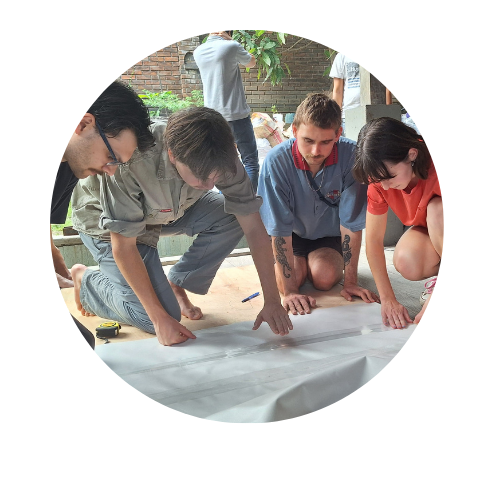
Mycotech Lab (MYCL) is a biotechnology company that has been developing fungal-based mycelium biocomposites since 2015 for applications including furniture materials, decorative panels, building elements, art installations, and thermal and acoustic insulation. Unlike conventional synthetic composites, MYCL’s mycelium composites require no synthetic glue or resin, emit no formaldehyde, demonstrate high compressive strength, good fire resistance, low embodied energy, and are fully biodegradable.
Available Projects
Optimization of Fungal-Based Mycelium Biocomposite: Production Method and Substrate Formulation
Location: Bandung, West Java
RMIT Academic Supervisor: TBA
Project Background
Recent academic studies have demonstrated the growing potential of mycelium-based composites as sustainable alternatives to petroleum-based materials, highlighting advantages such as low environmental impact, tunable mechanical properties, and circular end-of-life pathways. However, most current production methods rely on conventional mould-based fabrication combined with multi-stage incubation, which presents significant limitations for scalability and industrial deployment.
The standard manufacturing process requires two incubation stages (inside and outside moulds), leading to high mould demand, increased production cost, limited design flexibility, labour-intensive manual handling, and elevated contamination risks. Furthermore, existing substrate formulations lack sufficient self-supporting properties, making it impossible to demould early without structural collapse.
This project addresses a critical research gap: the development of optimized substrate formulations and processing methods that enable early demoulding while maintaining structural integrity. By engineering a self-supporting substrate with appropriate mechanical characteristics, MYCL aims to introduce a simplified single-incubation process. In this approach, moulds can be removed immediately after shaping, and mycelial growth continues internally and externally to reinforce the structure.
Successful implementation would significantly reduce mould requirements, accelerate production cycles, lower manufacturing costs, and unlock new form factors beyond traditional mould constraints—representing a major step toward scalable, automated mycelium composite manufacturing.
Project Objectives
This project aims to develop and evaluate novel substrate formulations that demonstrate self-supporting behavior immediately after demoulding. It will involve characterizing key substrate properties, including viscosity, cohesion, structural stability, and compatibility with fungal mycelial growth. The project also seeks to design and validate an optimized fabrication workflow that enables single-stage incubation, while comparing the mechanical performance such as compressive strength and density between current and improved processes. Ultimately, the project intends to establish preliminary standard methods for substrate preparation and forming that are suitable for industrial scaling.
Relevant Engineering Fields
Materials Engineering, Chemical Engineering, Bioprocess Engineering, Biochemical Engineering
Project Outcomes
Students are expected to deliver:
- Optimized substrate formulations with documented compositions and processing parameters.
- Experimental data on rheology, self-support capability, and mycelial growth performance.
- Mechanical testing results of produced biocomposites compare with current results.
- A proposed simplified production workflow.
- A final technical report and presentation summarizing methods, results, and industrial implications.
Where feasible, prototype samples will be produced.
Relevant Skills
Preferred student skills include:
- Basic materials characterization (mechanical testing, density, moisture content)
- Laboratory experimentation and data analysis
- Understanding of polymers, composites, or biomaterials
- Familiarity with rheology or slurry-based systems (advantageous)
- Experimental design and documentation
- Interest in sustainable materials and biofabrication
No prior mycelium experience is required (training and supervision will be provided by MYCL).
Notes:
- This project will be completed through a mix of online contact and time on site in Indonesia. There are associated fees but also generous government grants available. Please ensure that you read the program webpage for details.
- This project is subject to change. Further details on the project and its outcomes will be provided closer to the program start date.
Azura Indonesia
Azura Indonesia is a social enterprise committed to empowering coastal communities through the adoption of green technologies that support ocean health and improve the livelihoods of small-scale fishermen.
Its flagship innovation, the MantaOne, is an electric long-tail boat motor designed to replace conventional four-stroke engines. Azura Indonesia leads a transformative approach in Indonesia’s blue economy by combining technology, community empowerment, and climate action through innovations like MantaOne, the Nelayan Lestari (Sustainable Fisherman) program, and strong environmental leadership.

Available Projects
Battery Efficiency System Development
Location: Klungkung, Bali
RMIT Academic Supervisor: TBA
Project Background
With the success of the MantaOne, Azura Indonesia has demonstrated how green technology can empower small-scale fishermen. The team is now developing a larger, 4 kW version, through which it will enter a more professional and demanding market where reliability and performance are critical.
Larger boats require not only higher power output but also accurate, real-time data to manage operations and reduce risks. Currently, issues such as undetected battery degradation or inefficient energy use often result in costly repairs and downtime, which provides a barrier to Azura’s entry into this new market.
Project Objectives
The project aims to improve the efficiency and reliability of Azura’s 4 kW MantaOne electric propulsion system through the development of an integrated monitoring solution that tracks battery health and engine performance in real time.
Relevant Engineering Fields
Mechanical Engineering, Mechatronics Engineering
Project Outcomes
This project for Engineering students will be completed alongside a project for students from the School of Computing Technologies (CT).
The Engineering team is expected to:
- – Develop a functioning hardware and software prototype capable of collecting and transmitting real-time data on engine performance and battery health
- – Collaborate with the CT team, who will design a user-friendly interface to display key performance indicators such as power output, temperature, energy consumption, and state of charge
- – Provide documentation outlining system architecture, components, and recommendations for further optimization
Relevant Skills
- – Understanding of electrical circuits, control systems, and IoT integration
- – Experience using EDA software such as EAGLE or EasyEDA (preferred)
- – Basic programming and data communication skills
- – Analytical and problem-solving ability in hardware–software integration
Note: This project is being revised by the RMIT academic supervisor and the scope may change. Further details on the project and its outcomes will be provided closer to the start date.
IDEP
IDEP Foundation (Yayasan IDEP Selaras Alam), established in 1999 in Bali, is an Indonesian non-governmental organization that applies systems thinking and practical design principles to community development. Formed in response to social, economic, and environmental challenges, IDEP works with communities to design and implement context-appropriate, resilient solutions that strengthen self-reliance and long-term sustainability.
With a strong emphasis on permaculture, disaster risk reduction, and resource efficiency, IDEP integrates ecological design, infrastructure planning, and land-use management into its programs. Through hands-on training and community-based projects, the foundation supports locally engineered solutions for food security, water management, climate resilience, and environmental protection, enabling communities across Indonesia to build robust systems that perform reliably under changing environmental conditions.
Available Projects
Enhancing the Design of Functional Recharge Wells
Location: Gianyar, Bali
RMIT Academic Supervisor: TBA
Project Background
The Bali Water Protection Program is one of IDEP’s largest and most strategic initiatives. It responds to Bali’s rapidly declining water table, shrinking freshwater reserves, and increasing saltwater intrusion, which together threaten the island’s long-term water security. The program calls on Bali’s spiritual, political, economic, and civil leadership to take shared responsibility for safeguarding water resources and strengthening water sovereignty and resilience.
A core technical response within the program is the use of groundwater recharge wells. Unlike extraction wells, these structures capture rainwater and surface runoff and channel it into underground aquifers through gravity and filtration systems. Recharge wells help restore groundwater levels, reduce surface flooding, and limit seawater intrusion in coastal areas—an urgent priority in Bali, where groundwater depletion has accelerated in recent years.
Within this context, IDEP leads both technical implementation and community engagement. Working in partnership with Politeknik Negeri Bali (PNB) and local stakeholders, IDEP has designed and installed recharge wells across multiple locations, trained construction teams, produced replication manuals, and engaged schools and communities in adoption. The current 32-metre-deep design has been successfully implemented at four sites and is operating effectively.
Project Objectives
The objective of this project is to enhance and optimise the groundwater recharge well system as a core intervention for strengthening Bali’s water resilience. The project will improve the structural performance, water infiltration efficiency, and aesthetic design of the existing recharge well model, ensuring greater durability, functionality, and longevity under local environmental conditions.
In doing so, the project aims to develop a sustainable and adaptable recharge well design that integrates seamlessly into surrounding landscapes and community spaces. The refined model will be technically robust, visually appropriate, and suitable for replication across diverse sites in Bali. By strengthening technical standards, supporting local construction capacity, and enabling scalable deployment, the project will contribute to the restoration of groundwater levels, reduced saltwater intrusion, and improved long-term water sovereignty for Bali.
Relevant Engineering Fields
Civil Engineering, Environmental Engineering
Project Outcomes
The team is expected to develop:
- – Provide analysis of the current well design
- – Produce an improved design for the recharge well that enhances both functionality and aesthetics
- – Develop detailed technical drawings, 3D models, and material specifications
- – Provide recommendations for optimizing infiltration, filtration, and maintenance
Relevant Skills
- – Civil and environmental engineering design
- – Creative design skills (CAD, 3D modeling)
- – Knowledge of hydrology and water management systems (Preferred)
- – Material selection for structural integrity and weather resistance
- – Problem-solving and innovation in sustainable infrastructure
Note: This project is being revised by the RMIT academic supervisor and the scope may change. Further details on the project and its outcomes will be provided closer to the start date.
Jari Foundation
JARI Foundation is a locally-led marine conservation NGO based in Lombok, Indonesia, with the mission to promote sustainable seas by involving local people in managing marine resources and fostering environmental stewardship. Its work is centered in Alas Strait Seascape JARI’s work revolves around five core programs: marine conservation and research, marine education and outreach, community-based marine ecotourism, sustainable coastal livelihoods (including octopus fisheries management), and network development.
These programs are designed to build capacity among local fishers, youth, women, and schools, while also engaging with government bodies and international partners. JARI implements initiatives such as citizen science, coral and mangrove restoration, environmental education in schools, and community data collection to support marine resource management. Through these programs, JARI plays a vital role in supporting the health of marine ecosystems and the well-being of communities that depend on them.

Available Projects
Integrated Off-Grid Energy and Water Systems for Island Camping
Location: Mataram, Lombok
RMIT Academic Supervisor: TBA
Project Background
Community-managed camping tourism is emerging on islands such as Gili Range and Gili Bidara as an alternative livelihood strategy. These islands are off-grid, environmentally sensitive, and exposed to harsh coastal conditions. As visitor numbers increase, access to electricity and freshwater becomes a critical challenge, particularly where conventional infrastructure is impractical or environmentally damaging.
This project explores how integrated, small-scale energy and water systems can support camping activities while remaining simple, robust, and locally manageable. Potential energy sources include solar, wind, wave, or current-based systems, while water solutions may involve small-scale desalination and greywater reuse.
The project spans two islands with different conditions, allowing students to compare system suitability, performance, and feasibility. Designs must prioritise low maintenance, local operability, and minimal environmental impact.
Project Objectives
The objective of this project is to design and compare integrated off-grid energy and water system concepts that can sustainably support community-based island camping while remaining practical, resilient, and environmentally appropriate.
Relevant Engineering Fields
Mechanical Engineering
Project Outcomes
- – Integrated system concept, showing how energy generation, storage, and water supply interact within a camping context.
- – Conceptual designs for selected renewable energy systems, including expected capacity, limitations, and site suitability.
- – Conceptual designs for water solutions, such as freshwater supply, desalination, and greywater treatment or reuse.
- – Comparative analysis across two island sites, highlighting differences in feasibility, performance, and environmental constraints.
- – Engineering drawings and material lists, prioritising corrosion resistance and local availability.
- – Operational considerations, including maintenance needs, community management, and scalability
Relevant Skills
- – Renewable and off-grid system fundamentals
- – Systems thinking and integration
- – Design for coastal environments
- – Comparative technical analysis
- – Clear technical reporting
Note: This project is being revised by the RMIT academic supervisor and the scope may change. Further details on the project and its outcomes will be provided closer to the start date.
Laut Bergerak - Ocean Motion Playground for Primary Schools
Location: Mataram, Lombok
RMIT Academic Supervisor: TBA
Project Background
Children in coastal communities live close to the ocean, yet many physical and engineering concepts—such as motion, waves, wind, sound, and energy—are taught abstractly and without connection to their daily environment. Learning activities also often limit physical movement, even though children learn best through active play.
Laut Bergerak is an outdoor playground learning space for primary schools, inspired by Kinetic Garden (Singapore) and Technorama Outdoors (Switzerland), adapted into an ocean-themed context. The playground uses sun, wind, water, sound, and human movement as learning resources, allowing children to play, move, and experiment while intuitively understanding mechanical and physical concepts found in the ocean.
Learning happens through repeated play over time, so children never get bored and can deepen their understanding as they grow. The installations are designed to be low-cost, low-maintenance, durable, and safe for coastal school environments. The project will be implemented in two primary schools to compare usage, engagement, and learning outcomes.
Project Objectives
The project aims to design a robust, child-safe outdoor playground that enables primary school students to intuitively learn ocean-related physical and mechanical principles through play, while encouraging movement-based learning and long-term engagement in coastal school settings.
Relevant Engineering Fields
Mechanical Engineering
Project Outcomes
- – Overall playground concept and site layout, including spatial arrangement, circulation, and interaction flow between installations.
- – Detailed mechanical designs for selected play installations, demonstrating how each element illustrates a physical principle such as motion, force, energy, or waves.
- – Engineering drawings and material specifications, prioritising durability, safety, and suitability for coastal outdoor conditions.
- – Safety and risk considerations, including child-safe operation, structural stability, and supervision requirements.
- – Teacher support material, explaining learning objectives and concepts associated with each installation.
- – Brief comparative reflection on implementation considerations across the two participating school sites.
Relevant Skills
- – Mechanical design and basic mechanics
- – Prototyping and physical testing
- – Design for safety and durability
- – User-centred and play-based design thinking
- – Clear technical documentation
Note: This project is being revised by the RMIT academic supervisor and the scope may change. Further details on the project and its outcomes will be provided closer to the start date.
Mangrove Mode: Quiet, Safe and Low-Impact Propulsion for Community Based Eco-tourism Boats
Location: Mataram, Lombok
RMIT Academic Supervisor: TBA
Project Background
This project is developed in collaboration with community-based ecotourism operators led by Bajau fishermen, who conduct small-boat mangrove exploration activities as part of local ecotourism initiatives. These programs prioritise environmental protection, visitor safety, and respect for traditional maritime practices while supporting sustainable livelihoods in coastal and small-island communities.
Mangrove forests are ecologically sensitive environments and critical habitats for birds, bats, and marine species. In Bajau-led ecotourism activities, small boats are commonly used to navigate mangrove areas; however, conventional boat engines are often loud, fuel-intensive, and disruptive to wildlife. Engine noise and vibration can disturb animals and detract from the ecotourism experience, while mechanical failure during trips poses safety risks for both operators and visitors.
To address these challenges, the concept of “Mangrove Mode” is proposed. Mangrove Mode refers to a switchable, low-noise operating mode that can be engaged when boats enter mangrove areas. In addition to reducing noise, vibration, and fuel consumption, the system is intended to function as a backup propulsion option in the event of main engine failure. The design prioritises simplicity, durability, and low maintenance, ensuring suitability for coastal environments and community-level use. By aligning engineering design with ecotourism principles and Bajau maritime values, the project supports safer, quieter, and more respectful mangrove exploration.
Project Objectives
The objective of this project is to design and develop a low-noise, low-impact propulsion system (“Mangrove Mode”) for small ecotourism boats that reduces disturbance to mangrove ecosystems, improves operational safety through backup propulsion capability, and remains affordable, durable, and easy to maintain for community-based operators.
Relevant Engineering Fields
Mechanical Engineering, Automotive Engineering, Electrical Engineering
Project Outcomes
The team is expected to:
- – Conceptual propulsion system design tailored for small ecotourism boats operating in mangrove and shallow-water environments, including key design assumptions and constraints.
- – Technical drawings and system layout, covering propulsion components, mounting configuration, and integration with existing boat hulls.
- – Performance analysis outlining expected speed, range, noise levels, and energy efficiency under typical operating conditions.
- – Environmental impact considerations, including qualitative assessment of noise reduction, wake minimisation, and suitability for sensitive mangrove ecosystems.
- – Implementation and feasibility recommendations, addressing safety, maintenance, local operability, and potential pathways for community adoption or prototyping.
Relevant Skills
- – Understanding of small boat engines and marine propulsion systems
- – Mechanical design of transmission, mounting, and switching mechanisms
- – Design for corrosion resistance and durability in coastal environments
- – Basic considerations of noise and vibration reduction
- – Prototyping, testing, and preparation of practical technical documentation
Note: This project is being revised by the RMIT academic supervisor and the scope may change. Further details on the project and its outcomes will be provided closer to the start date.
Sampangan
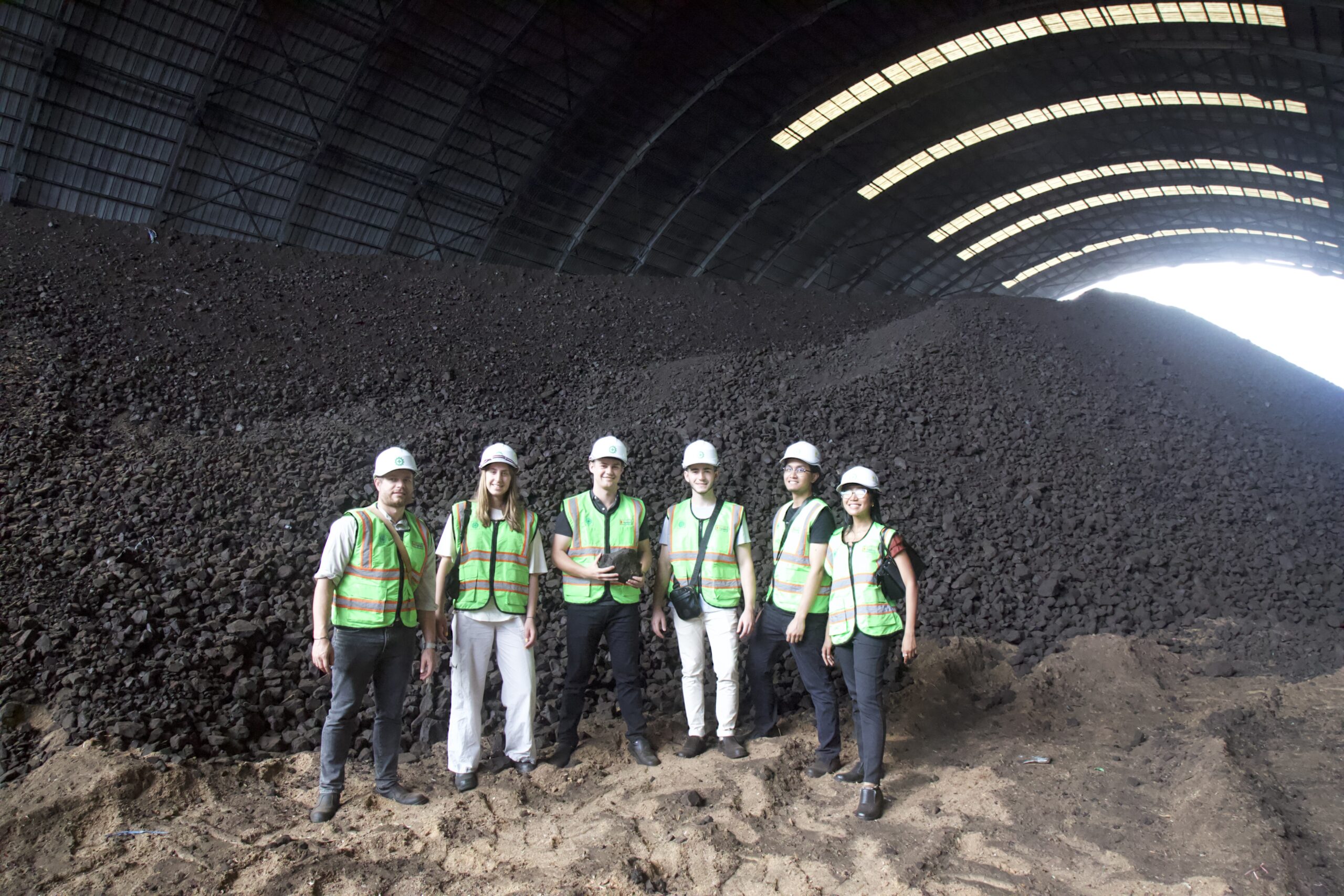
Sampangan is centered around sustainable waste management through innovative and circular solutions. Their core activity involves converting organic waste, - particularly agricultural and forestry byproducts - into high-value, eco-friendly materials. Utilizing a patented carbonization process, Sampangan produces activated carbon and liquid bio-smoke (asap cair) from biomass such as coconut shells.
These products have diverse environmental applications: activated carbon is used for water purification and filtration of organic pollutants, while bio-smoke acts as a natural disinfectant and ammonia reducer in poultry farms. By turning waste into useful resources, Sampangan not only supports environmental sustainability but also promotes a circular economy that benefits communities and industries alike.
Available Projects
Engineering Feasibility Modelling for Resource Recovery and Environmental System
Location: South Jakarta
RMIT Academic Supervisor: TBA
Project Background
To respond to increasing market demand, Sampangan plans to gradually scale its production capacity from approximately 20 tons per day to up to 275 tons per day through a phased and controlled expansion.
At present, the production system operates primarily in batch or semi-batch mode and does not yet achieve fully continuous-flow operation. While individual unit operations are technically scalable, cycle-time mismatches across critical processing stages—including carbonization, chemical activation, washing, drying, and material handling—limit overall system throughput. This misalignment creates bottlenecks, idle capacity, and compounding inefficiencies that become increasingly significant as production volume increases.
In parallel, the current quality control (QC) approach is primarily focused on final product verification and has not yet been formalized into a standardized system. Variability in raw materials, operating conditions, and production cycles introduces measurable risks to product consistency, adsorption performance, and compliance with customer specifications. Without a clearly defined QC framework, increasing production capacity would elevate quality risk and complicate downstream industrial applications.
Furthermore, the existing production setup lacks an integrated equipment and material design framework that links process requirements with realistic timelines and budget assumptions. Effective scale-up therefore requires not only technical process redesign, but also engineering-based planning that aligns equipment selection, material flow, operational timing, and cost considerations within a coherent system.
This project addresses these challenges through a chemical engineering–driven system design approach, focusing on production flow synchronization, establishment of a scale-appropriate QC system, and development of scale-up–ready operational planning tools. Designed as a hybrid program—predominantly remote with a two-week on-site period—the project prioritizes analytical, design, and documentation outputs that can be developed without continuous physical manufacturing activities. On-site activities are focused on data validation, process observation, and alignment with operational realities.
Project Objectives
The expected outcomes of this project emphasize operational readiness, quality assurance, and informed decision-making, including:
- – A system-level strategy for scaling activated carbon production from 20 to 275 tons per day through phased expansion
- – Improved alignment of cycle times and material flow across unit operations to reduce bottlenecks and idle capacity
- – Establishment of a structured QC framework focused on final product consistency as production capacity increases
- – Reduced risk of quality deviation, rework, and operational inefficiency during scale-up
- – Clear technical inputs to support equipment procurement, timeline planning, and high-level budget estimation
- – Enhanced internal capability to manage production growth in a controlled, data-driven manner
Relevant Engineering Fields
Chemical Engineering, Environmental Engineering
Project Outcomes
To support the hybrid program structure and limited on-site duration, the project will deliver the following system-level, design-focused outputs:
- Process and Flow Design
- – Cycle-time and bottleneck analysis for all major unit operations
- – Process flow diagrams reflecting current operations and proposed scale-up configurations
- – Mass and energy balance models for phased capacity increases
- Quality Control (QC) System Design
- – Key quality parameters and test methods for final activated carbon products, defined to meet customer and application specification.
- – Final product sampling plans and acceptance criteria, including testing frequency, pass/fail thresholds, and batch release logic
- – Documentation and traceability framework linking final product test results to production batches and raw material sources
- – Identification of critical in-process parameters for future QC integration, including recommended control points and indicative monitoring methods to support later scale-up and continuous operation
- QC Laboratory Support Planning
- – Identification of reagents, solvents, and reference standards required for each QC test method
- – Estimated laboratory chemical consumption rates based on testing frequency and sampling volume
- – QC testing schedules linked to production cycles and scale-up phases
- – Minimum inventory levels and replenishment timing to prevent interruptions in QC activities
- Operational and Scale-Up Planning
- Standard Operating Procedure (SOP) frameworks suitable for scaled operations
- A scale-up roadmap integrating technical milestones and QC readiness checkpoints
- A consolidated technical recommendation report summarizing system design, QC strategy, and scale-up priorities
These outputs are intentionally designed to be achievable through remote analytical work, with on-site engagement focused on data validation, process observation, and alignment with operational realities rather than physical modification or installation.
Relevant Skills
- – Process modelling and system analysis
- – Mass and/or energy balance calculations
- – Definition of engineering assumptions and parameters
- – Sustainability and environmental impact awareness
- – Technical reporting for preliminary engineering studies
Note: This project is being revised by the RMIT academic supervisor and the scope may change. Further details on the project and its outcomes will be provided closer to the start date.
IPRO - Indonesia Packaging Recovery Organisation
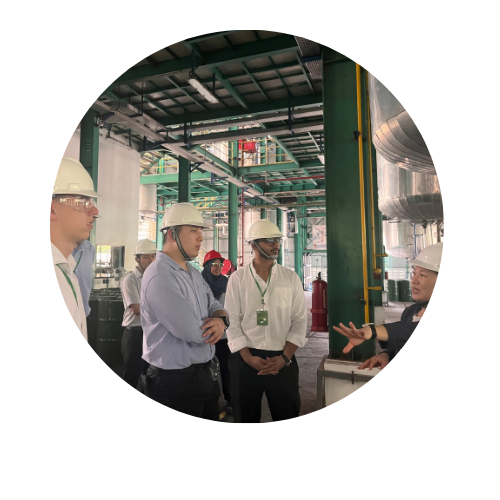
Indonesia Packaging Recovery Organization (IPRO) is an independent, non-profit Producer Responsibility Organisation (PRO) that supports Extended Producer Responsibility (EPR) implementation in Indonesia. IPRO brings together brand owners, FMCGs, packaging converters, retailers, collectors, aggregators, recycling facilities, and recyclers to develop traceable, auditable, and inclusive waste management systems. Rebricks, an IPRO industry partner based in South Jakarta, specialises in mechanically upcycling multilayer plastic (MLP) waste into eco-friendly paving blocks and building materials, contributing to circular economy and waste diversion initiatives.
Available Projects
Environmental Impact Assessment of Rebricks Paving Blocks Made from Multilayer Plastic Waste (MLP)
Location: Greater Jakarta
RMIT Academic Supervisor: TBA
Project Background
Multilayer plastic waste presents a significant challenge in Indonesia due to its limited recyclability and high risk of landfilling or open dumping. Rebricks offers a practical mechanical recycling solution by converting MLP waste into paving blocks; however, there is currently limited structured environmental analysis to quantify the benefits, performance, and long-term sustainability of this approach.
Reliable environmental evidence is increasingly required to support EPR reporting, strengthen stakeholder confidence, and inform wider adoption of recycled plastic construction materials. This project addresses the need for data-driven assessment of environmental impact, material performance, and EPR relevance.
Project Objectives
The project aims to assess the environmental performance of Rebricks paving blocks made from multilayer plastic waste by quantifying waste diversion, evaluating environmental impacts through a simplified Life Cycle Assessment (LCA), and translating findings into practical indicators relevant for EPR reporting, product improvement, and stakeholder communication.
Relevant Engineering Fields
Chemical Engineering, Environmental Engineering, Industrial Engineering, Materials & Polymer Engineering
Project Outcomes
- – Process map and baseline inventory of material, energy, water, and waste flows across the paving block production system, with clear system boundaries and data sources.
- – Simplified, auditable Life Cycle Assessment (LCA) using recognised methods, with key assumptions, data gaps, and limitations transparently documented.
- – Comparative environmental performance summary benchmarking Rebricks paving blocks against conventional materials (e.g. concrete) across selected impact categories.
- – Review of material performance and durability, referencing relevant standards and available test data, and identifying priority testing gaps and lifespan implications.
- – EPR-relevant indicators translated from technical results and aligned with IPRO’s monitoring, reporting, and verification (MRV) frameworks.
- – Visual summaries and stakeholder-ready insights, including clear charts and narratives suitable for reporting and external communication.
- – Targeted recommendations for product optimisation and data improvement, prioritised by feasibility and environmental benefit.
- – Final presentation and concise technical report suitable for internal use and external stakeholders at IPRO and Rebricks.
Relevant Skills
- – Environmental engineering and life cycle assessment
- – Materials and polymer engineering
- – Data analysis and sustainability reporting
- – Familiarity with EPR, circular economy, or waste management systems
Note: This project is being revised by the RMIT academic supervisor and the scope may change. Further details on the project and its outcomes will be provided closer to the start date.
Relung Indonesia Foundation
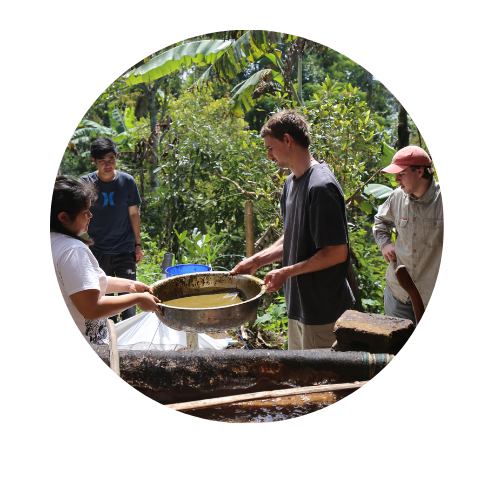
Yayasan Resiliensi Lingkungan Indonesia (Relung Indonesia Foundation) is an Indonesian non-profit organization focused on empowering underprivileged communities through education, creative learning, and social development programs. The foundation works to improve access to quality learning opportunities for children and youth, often in informal and rural settings, by providing community-based education, mentorship, and skill-building activities. Relung Indonesia also collaborates with volunteers, educators, and partner organizations to support holistic community growth, promote social inclusion, and strengthen local capacities through sustainable initiatives.
Available Projects
Integrated Landslide Risk Reduction in Rural Indonesia: Low-Cost Mitigation, Safer Rural Roads, and Adaptive Hillside Drainage
Location: Pekalongan, Central Java
RMIT Academic Supervisor: TBA
Project Background
Many rural and mountainous regions of Indonesia experience recurring landslides caused by steep terrain, intense rainfall, land-use pressures, and limited access to engineered infrastructure solutions. In Petungkriyono, Pekalongan Regency (Central Java), landslides frequently disrupt village roads, isolate communities, damage agricultural land, and pose serious safety risks to residents.
Conventional landslide mitigation approaches—such as large concrete retaining structures—are often financially unfeasible for rural local governments and difficult to construct and maintain in remote settings. As a result, there is a strong need for integrated, low-cost, and locally appropriate engineering solutions that reduce landslide risk while remaining environmentally sensitive and maintainable by local communities.
This project adopts a systems-based engineering approach to landslide risk reduction, integrating slope stabilisation, rural road safety, and adaptive drainage design. Students will engage with real-world terrain and infrastructure challenges to develop practical engineering solutions that balance technical rigour, affordability, and community applicability.
This project is structured as an integrated cluster, consisting of three closely related engineering sub-projects. Each sub-project addresses a specific aspect of landslide risk while contributing to a unified mitigation strategy for the selected sites.
- Sub-Project 1: Vegetation-Based and Bioengineering Slope Stabilisation
- Focuses on stabilising vulnerable slopes using locally appropriate vegetation, bioengineering techniques, and minimal structural interventions to improve slope integrity while maintaining environmental compatibility.
- Sub-Project 2: Audit and Redesign of Landslide-Prone Rural Roads
- Addresses road safety and functionality through technical auditing, geometric redesign, and improved integration between road alignments and adjacent slopes in landslide-prone areas.
- Sub-Project 3: Adaptive Hillside Drainage for Extreme Rainfall
- Concentrates on the design of surface and subsurface drainage systems to manage runoff, reduce pore water pressure, and minimise slope failure risk during high-intensity rainfall events.
All sub-projects share common site data, hazard assessments, and design assumptions, enabling coordination between teams and ensuring that outputs contribute to a coherent, scalable landslide risk-reduction strategy.
Project Objectives
The objective of this project is to assess landslide risk factors affecting selected rural hillside and road sites in Petungkriyono and to develop integrated, low-cost engineering solutions that reduce slope failure risk, improve road safety, and enhance drainage performance under extreme rainfall conditions. Through site analysis, design development, and system integration, students will deliver technically sound and context-appropriate engineering outputs that support safer infrastructure and increased community resilience.
Relevant Engineering Fields
Civil Engineering, Environmental Engineering, Sustainability Engineering
Project Outcomes
Students are expected to deliver the following:
- – Site and hazard assessment documentation, including slope conditions, rainfall influences, soil and drainage considerations, and infrastructure vulnerabilities.
- – Engineering design packages (concept drawings, sections, and technical details) for slope stabilisation, rural road improvements, and adaptive drainage systems, aligned with the focus of each sub-project.
- – Low-cost design alternatives and justifications, demonstrating consideration of constructability, material availability, maintenance requirements, and rural implementation constraints.
- – Implementation and maintenance guidance, outlining staged construction approaches, community-level maintenance needs, and long-term performance considerations.
- – Final technical report and presentation, suitable for academic assessment and for use by Relung Indonesia and local stakeholders in planning and decision-making.
Relevant Skills
- – Slope stability and geotechnical analysis
- – Hydrology and drainage design
- – Road geometry and safety assessment
- – CAD and technical drawing
- – Basic GIS and spatial analysis
- – Field data interpretation and systems thinking
- – Multidisciplinary teamwork and stakeholder communication
Note: This project is being revised by the RMIT academic supervisor and the scope may change. Further details on the project and its outcomes will be provided closer to the start date.

Advanced Materials Research Centre (AMRC)
The Advanced Materials Research Center (AMRC) is a research group within the Department of Metallurgical and Materials Engineering, Faculty of Engineering, at the University of Indonesia. AMRC conducts advanced research in functional materials, thin films, and energy-related technologies, with a strong focus on materials innovation, sustainability, and real-world application. The centre supports interdisciplinary research and capstone projects that integrate materials science, engineering design, and environmental responsibility, while providing students with hands-on laboratory experience in state-of-the-art facilities.
Available Projects
Green Synthesis of Semiconductor Layers for Perovskite Solar Cells
Location: University of Indonesia, Depok
RMIT Academic Supervisor: TBA
Project Background
Perovskite solar cells (PSCs) have emerged as a promising next-generation photovoltaic technology due to their rapid efficiency improvements, low-cost fabrication potential, and tunable optoelectronic properties. These advantages position PSCs as strong candidates to complement or potentially surpass conventional silicon-based solar cells. However, key challenges remain, particularly in long-term stability, environmental safety, and scalability for commercial deployment.
Conventional perovskite fabrication processes often rely on toxic solvents and hazardous chemical precursors, raising concerns regarding environmental impact and occupational safety. In response, green synthesis approaches—such as the use of water-based solvents, bio-derived additives, or environmentally benign chelating agents—offer a pathway to reduce toxicity while aligning with global sustainability goals.
This capstone project sits at the intersection of materials science, chemical engineering, and renewable energy engineering. It provides students with practical exposure to advanced semiconductor fabrication while addressing broader challenges related to sustainable energy production and responsible materials engineering.
Project Objectives
The objective of this project is to investigate and develop environmentally benign synthesis and deposition methods for perovskite semiconductor layers, fabricate and evaluate perovskite solar cell prototypes, and assess their performance and sustainability relative to conventional photovoltaic technologies.
Relevant Engineering Fields
Material and Manufacturing Engineering, Chemical Engineering, Electrical Engineering, Mechanical Engineering
Project Outcomes
Students are expected to deliver the following:
- – Green synthesis protocols for perovskite semiconductor layers, including documentation of solvent systems, precursors, and deposition parameters.
- – Fabricated perovskite solar cell prototypes, produced using scalable thin-film techniques such as spin-coating or blade-coating.
- – Comprehensive performance characterisation, including efficiency, stability, and reproducibility metrics supported by current–voltage (IV) curves, optical measurements, and electrochemical data.
- – Materials and device analysis results, such as SEM imaging, structural and optical characterisation, and impedance spectroscopy findings.
- – Sustainability assessment, comparing environmental footprint, material safety, and recyclability of green-synthesised PSCs against conventional silicon-based solar cells.
- – Technical capstone report and presentation, detailing background, methodology, results, discussion, limitations, and future research directions.
- – Educational and outreach materials, including posters or infographics explaining perovskite solar cell technology for undergraduate students and non-specialist audiences
Relevant Skills
Developing and working with perovskite solar cells requires a multidisciplinary background that combines knowledge from materials science, chemistry, and physics. The necessary skills range from hands-on laboratory techniques to analytical and computational abilities.
- – Laboratory Skills: Solution preparation, thin-film deposition (spin-coating, dip-coating), device assembly.
- – Characterization Techniques: SEM, XRD, UV-Vis spectroscopy, FTIR, electrochemical methods (CV, EIS).
- – Data Analysis: MATLAB/Python for spectral fitting, efficiency calculations, and statistical analysis.
- – Scientific Writing: Clear documentation of methods, results, and sustainability implications.
- – Teamwork & Project Management: Coordinating tasks across synthesis, characterization, and device testing.
Note: This project is being revised by the RMIT academic supervisor and the scope may change. Further details on the project and its outcomes will be provided closer to the start date.
Find your project
Filter by discipline or host partner to find the right project
Dates & fees
| Program Start | March 2026 |
| Time in Indonesia | 27th June - 25th July 2026 |
| Program End | October 2026 |
| Register By | 25th February 2026 |
| Program Fee | $5,700 |
| NCP funding* | $4,500 |
| International Student Scholarship** | $1,000 |
*A limited number of grants are available to eligible students who are Australian citizens. Learn more.
**A limited number of scholarships are available for International students.
Inclusions & exclusions
Inclusions
- Accommodation in a mixture of private accommodation in shared apartment or co-living arrangement and twinshare (same gender) accommodation at a hotel
- Airport transfers on nominated arrival and departure dates
- Immersive orientation session
- Intercultural communication workshop
- Indonesian language class
- Career development workshop
- Cultural and social events with Indonesian buddies
- Pre-departure support, including visa advice and sponsorship where required
- 24/7 in-country support
- Weekly check-ins
- International internships completion certificate
Exclusions
- Enrolment fees for any subjects at your university
- International and domestic flight costs, airport taxes and excess baggage charges
- Visa costs and passport fees
- Travel insurance
- Vaccinations (if required)
- Host-specific requirements (ie. uniform, safety equipment)
- Internet, phone and home working set-up
- Laundry, toiletries and amenities
- Extra activities and travel or any other items of a personal nature
- Meals and drinks
- Daily transportation costs
Why Indonesia?
Opportunities abound with this key partner and centre for regional strategy and economic development
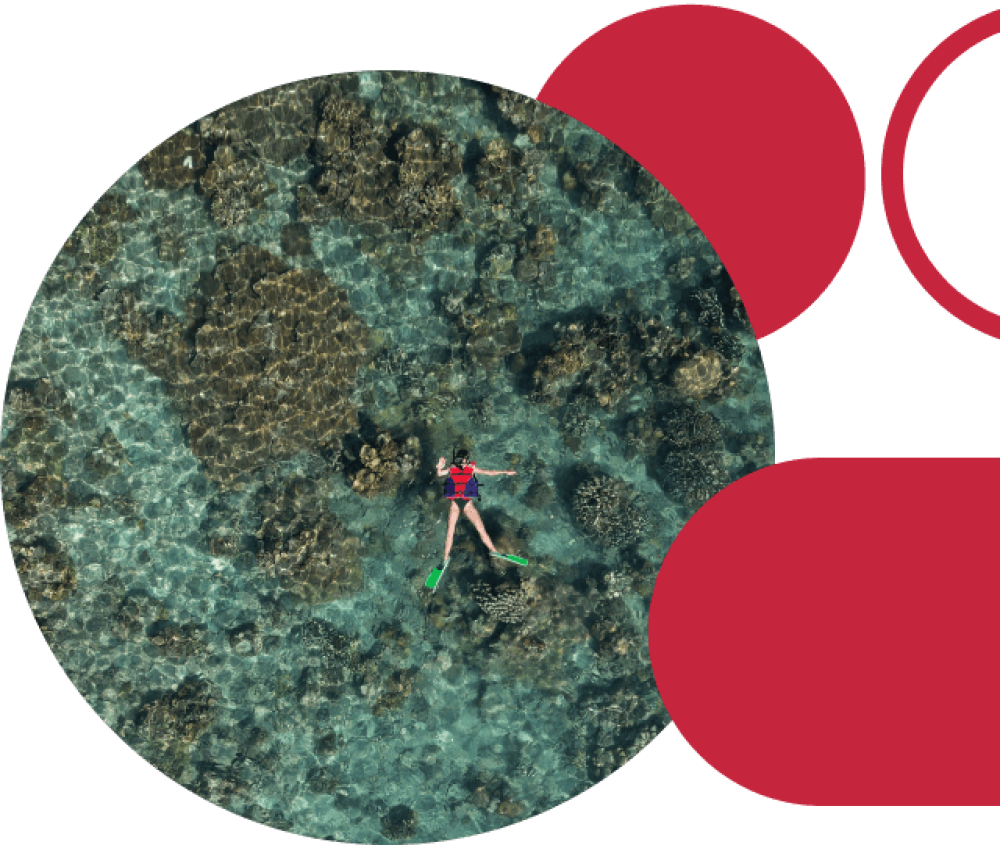
Indonesia has the largest economy in Southeast Asia, and is predicted to be the world’s fifth-largest economy by 2030. Australia and Indonesia signed the Indonesia-Australia Comprehensive Economic Partnership Agreement (IA-CEPA) in 2020, marking the beginning of a new era of enhanced strategic and commercial cooperation. Opportunities abound in a diverse range of areas, including business and trade, finance, technology, infrastructure development, education, environmental conservation, security and more.
Click here to learn more about the opportunities Indonesia has to offer you.

Course credit
We support you to earn credit for your course
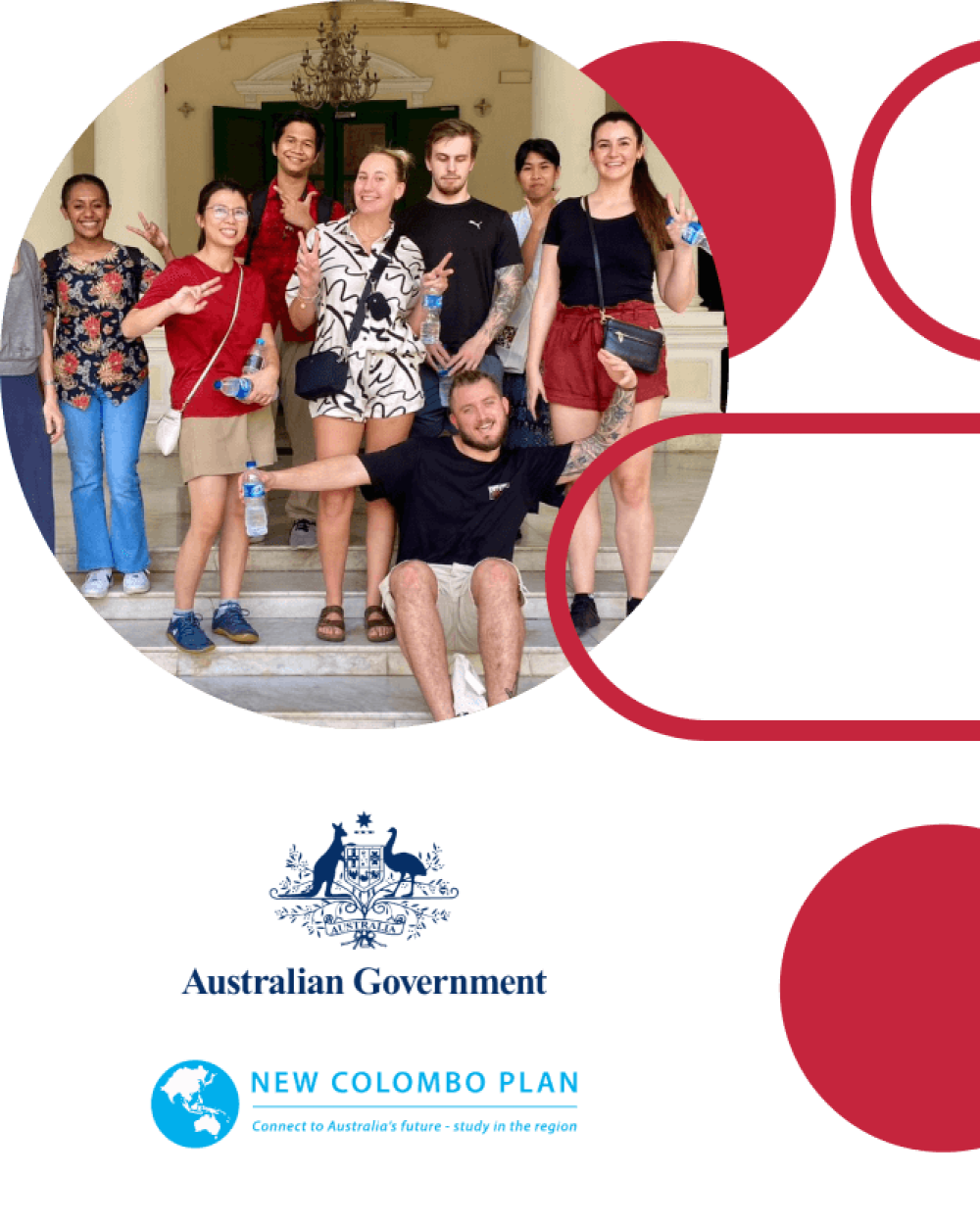
This Capstone Project is available to all final year Engineering students at RMIT. For more information, please visit the RMIT website.
Both domestic and international students are eligible to join this program, although you must be an Australian citizen to be eligible to receive an NCP grant. See ‘Grants & funding’ for more information.
Grants & funding
$4,500 NCP grants are available for this program
New Colombo Plan (NCP)
You may be eligible for an NCP (New Colombo Plan) grant if you meet the following criteria:
- You are an Australian citizen
- You are currently enrolled as an undergraduate student
- The program is approved to count toward your university degree
- You have received no more than one previous NCP grant (maximum of two in total)
Eligible students may receive an NCP grant of $4,500. With a program fee of $5,700, this reduces your out-of-pocket cost to $1,200. Please refer to Dates & Fees for full details on program inclusions and costs.
NCP grants are limited and early applications are prioritised. We work closely with you and your faculty to confirm eligibility before you accept your place on the program and pay the deposit.
Please note that you are still welcome to apply for the program even if you are not eligible for NCP funding.
International Student Scholarships
International Internships is now offering a $1000 scholarship for international students so they too can access an international capstone experience. Scholarships are limited so students should apply early for their best chance to secure one.
Contact International Internships for more information.
OS-HELP repayable loan
OS-HELP is a loan available to eligible students enrolled in a Commonwealth supported place who plan to undertake some of their study overseas. If your experience with us will count towards the requirements for your Commonwealth supported course in Australia, you may be able to borrow up to $10,130. You may also be eligible to borrow an extra $1,345 if you study Indonesian language in preparation for your internship.
Learn more about OS-HELP here.
Other funding options
Learn about all other funding options that might be available to you, on our webpage here.
Have your questions answered
Find out more about internships we offer, fees, grants and credit
View our online information session
Watch a recording of our info session held on 16 Feb 2026
Attend one of our online drop in sessions
| When | Time | Link |
|---|---|---|
|
Thursday 19 Feb 2026 |
10.30am – 12.30pm AEST |
|
|
Thursday 19 Feb 2026 |
4.15pm – 5.45pm AEST |
|
|
Tuesday 24 Feb 2026 |
11.00am – 1.00pm AEST |
|
|
Tuesday 24 Feb 2026 |
5.30pm – 6.30pm AEST |
Meet us in person at the RMIT Engineering Capstone Project Information Session
We will be presenting our capstone projects at the RMIT Engineering Capstone Project Information Session and are available to meet with interested students after the session.
Details
Venue: 080.02.007 (Building 80, Level 2, Room 7)
Date: Monday 23 February 2026
Time: 2.00pm – 3.00pm

Commitment-free consultation

Apply to your university

Confirm your spot

Secure your internship project

Finalise and prepare
What next?
Book in a chat with us to discuss your options
We make everything as easy as possible for you, and it all starts with a commitment-free consultation.
Click below to book your obligation-free consultation, or just email us with any questions:
info@internationalinternships.com.au
Hear from our students
Hear from some of our students who have undertaken the Engineering Capstone

"When I was in Indonesia, I did an internship with Edelman, a Communications and PR firm. I had the most amazing experience, and I have since landed an incredible job from it!"

"When I was in Indonesia, I did an internship with Edelman, a Communications and PR firm. I had the most amazing experience, and I have since landed an incredible job from it!"

"When I was in Indonesia, I did an internship with Edelman, a Communications and PR firm. I had the most amazing experience, and I have since landed an incredible job from it!"

"When I was in Indonesia, I did an internship with Edelman, a Communications and PR firm. I had the most amazing experience, and I have since landed an incredible job from it!"

"When I was in Indonesia, I did an internship with Edelman, a Communications and PR firm. I had the most amazing experience, and I have since landed an incredible job from it!"